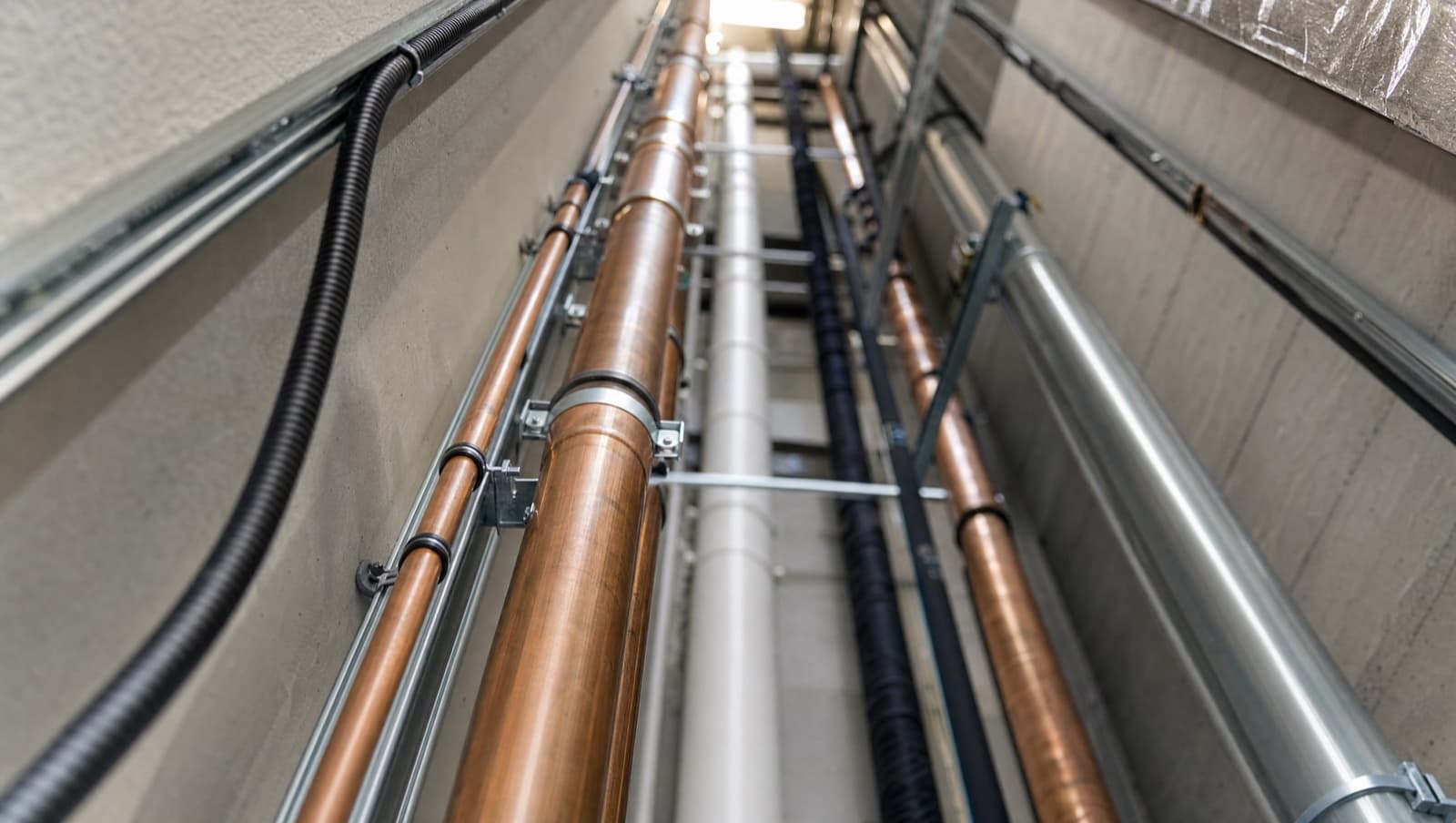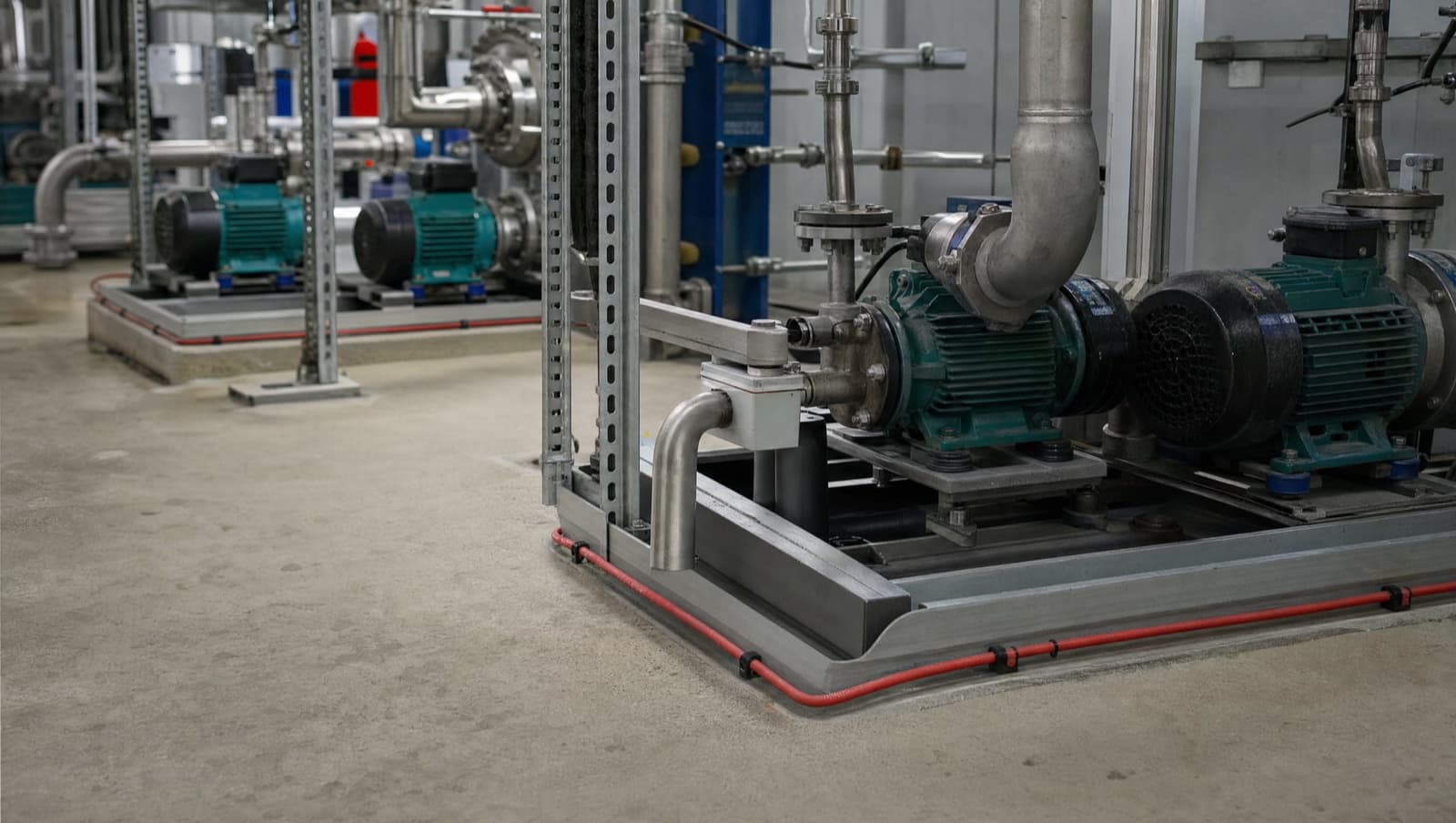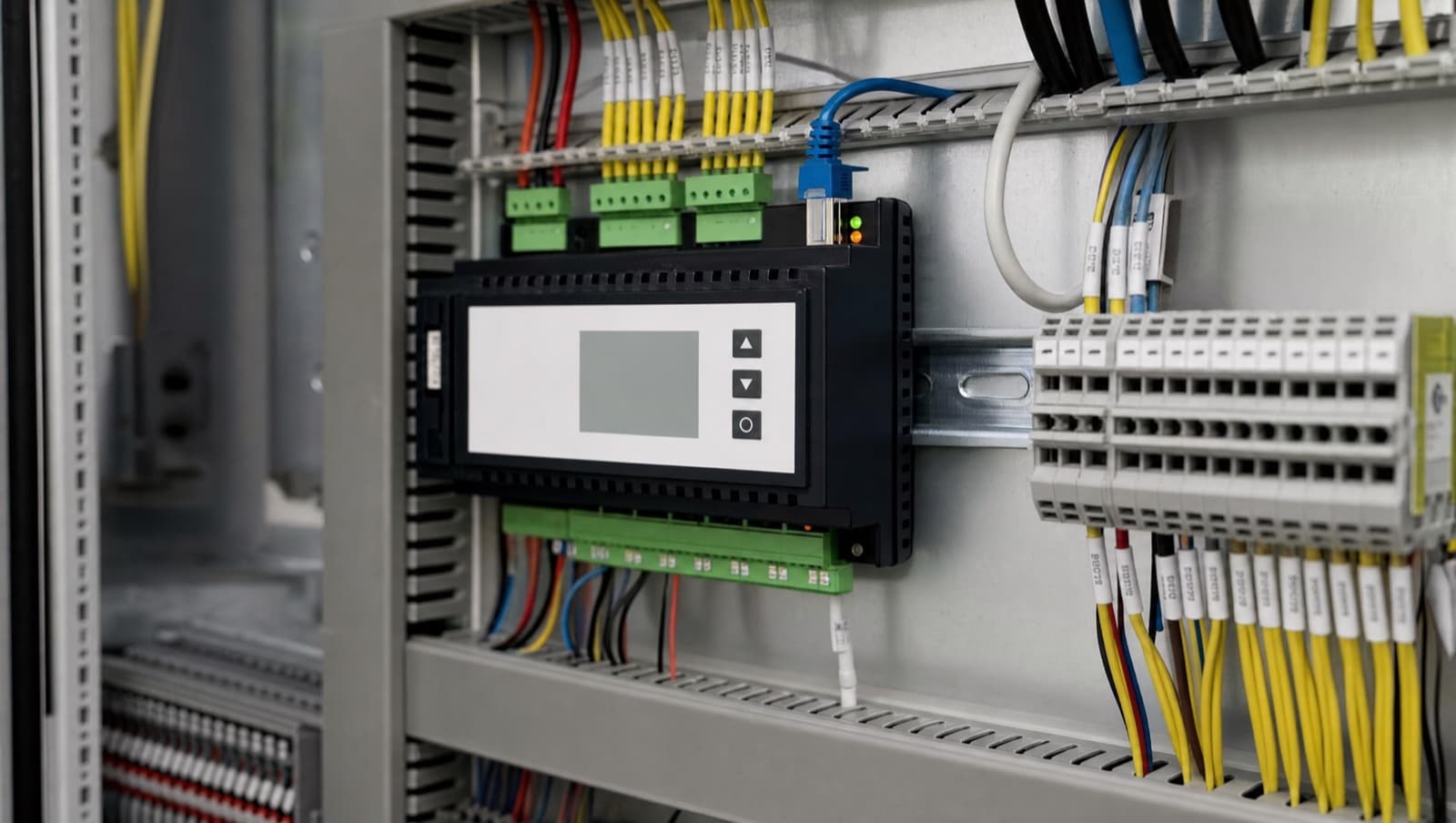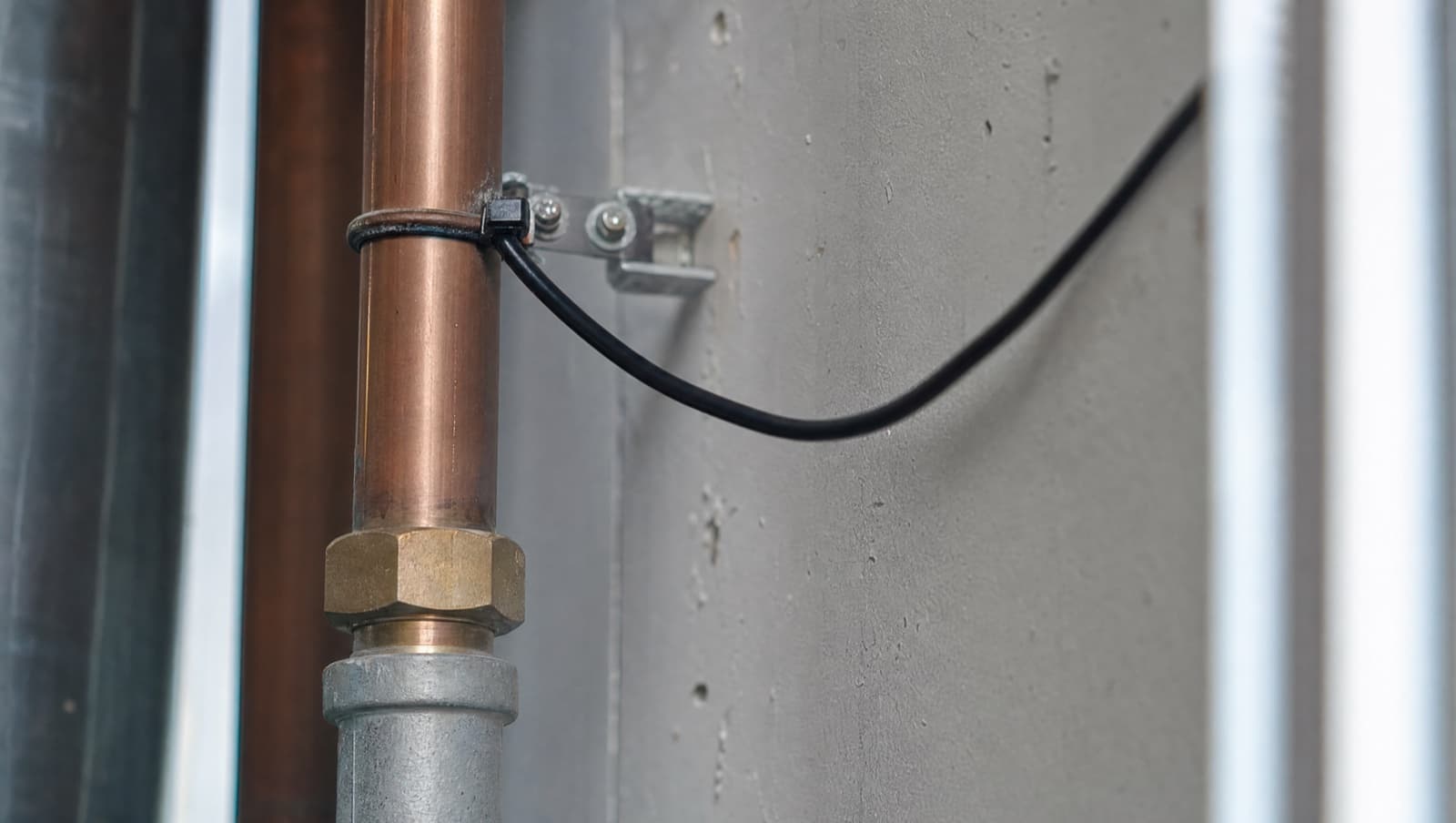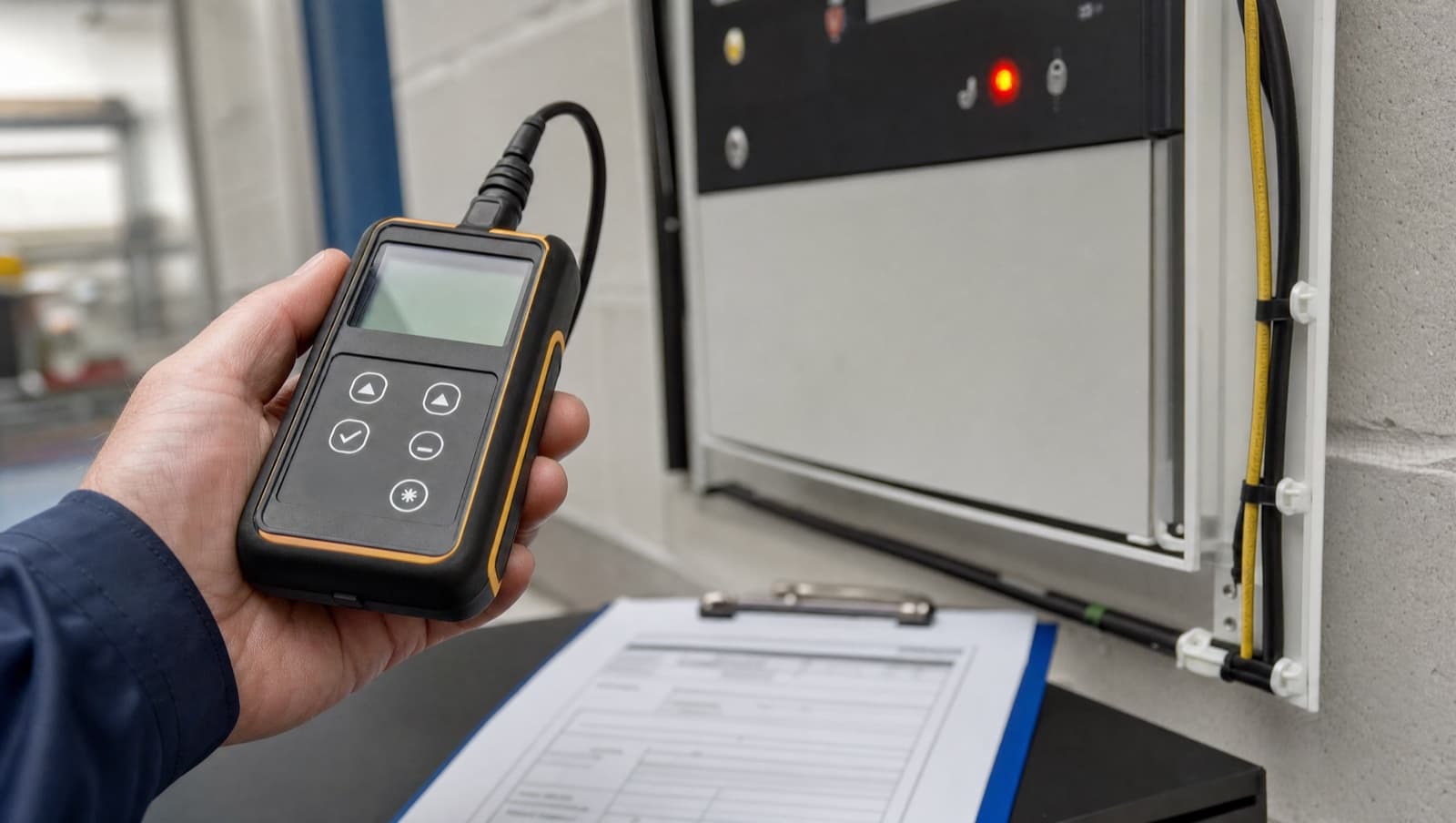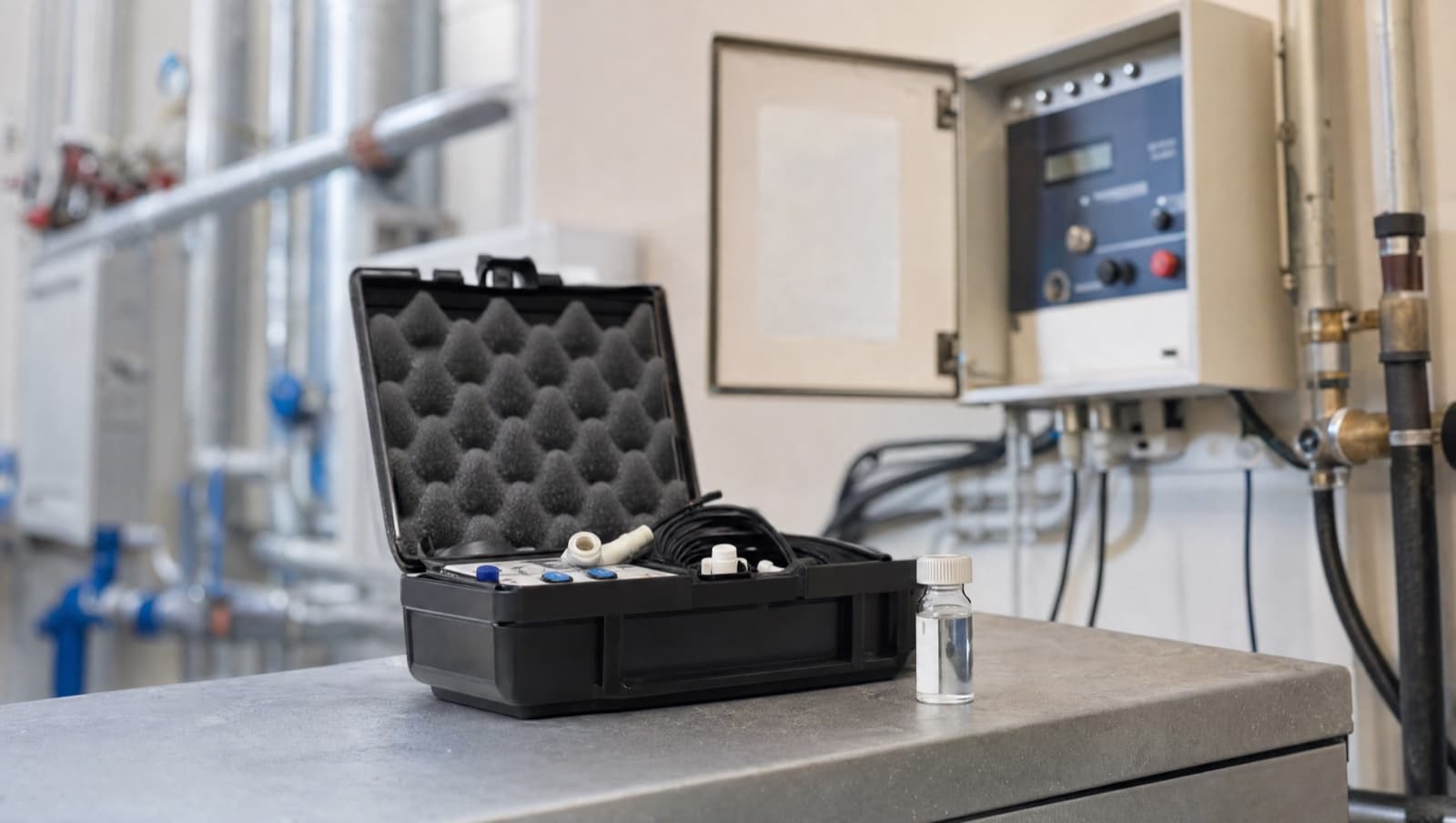

BMS integration for leak detection means linking the leak detection panel to the building management system so a moisture alarm does more than sound a local beacon. It triggers an alert on the BMS head end, logs the event with a timestamp, notifies the FM team by email or SMS, and can close an isolation valve automatically within seconds.
Why is an unmonitored leak so expensive in a commercial building?
A water leak in a commercial building is rarely dramatic. It does not announce itself with a burst pipe and a flood through the lobby. More often, it is a slow weep from a chilled water valve body, condensate from a poorly trapped FCU, or a pinhole in domestic pipework buried under a raised floor. By the time someone notices the stain on the ceiling tile two floors below, you are looking at tens of thousands in remediation, weeks of disruption, and an insurance claim that could have been a five-minute valve isolation.
Escape of water is now the single largest cause of commercial property insurance claims in the UK. Aviva's loss prevention data puts water damage ahead of fire in both claim frequency and average cost for office and retail premises. The technology to detect these leaks early exists and has done for years. Sensing cables, point sensors, drip trays with probes — the hardware side is well understood. The problem is that in the vast majority of commercial installations, the leak detection system sits entirely on its own. It has its own panel, its own sounder, and its own maintenance schedule, which usually means no maintenance schedule at all. When a leak occurs at 2am on a Saturday, the alarm sounds in an empty plant room. Nobody hears it. Nobody acts. The damage compounds hour after hour until a security guard notices water running under a door.
This is where BMS integration changes the picture entirely. When leak detection is connected to the building management system, an alarm does not just flash on a local panel. It triggers an alert on the BMS head end, sends an email or SMS to the FM team, logs the event with a timestamp, and — if the system is properly engineered — closes an isolation valve automatically within seconds. The difference between an integrated system and a standalone one is the difference between a controlled incident and a catastrophic loss.
Alpha Controls specialises in exactly this integration. We install leak detection systems and we integrate them into new and existing BMS platforms. Most leak detection installers cannot do the BMS side. Most BMS contractors do not understand leak detection. We do both, and that matters more than most people realise.
What does leak detection BMS integration actually involve?
At its core, leak detection BMS integration means establishing a communication link between the leak detection panel (or controller) and the BMS so that detection events, zone statuses, and fault conditions are visible and actionable from the building's central controls platform.
The integration chain runs like this: a sensing cable or point sensor detects moisture. That sensor reports to a local transmitter or zone module, which in turn reports to the leak detection control panel. The panel processes the alarm and communicates it upstream to the BMS controller — either directly via a protocol like Modbus or BACnet, or indirectly through volt-free contact relays wired into BMS digital inputs. The BMS controller then handles the alarm display on the head end, logs the event with a time and date stamp, fires off notifications to the FM team, and if configured, sends a command to close a motorised isolation valve on the relevant water supply.
The critical choice in any integration project is the protocol — how the leak detection panel talks to the BMS. This is where most projects either succeed cleanly or descend into weeks of frustrating commissioning. The main options are Modbus RTU (serial RS-485), Modbus TCP (Ethernet), BACnet MS/TP (serial), BACnet/IP (Ethernet), volt-free contacts (hardwired relay outputs), and in some data centre environments, SNMP.
Each manufacturer's panel supports different protocols, and the level of data you get varies enormously depending on which route you take. A volt-free contact gives you one binary signal per zone — alarm or no alarm. A Modbus or BACnet connection gives you zone status, alarm type (leak, cable fault, power fault), zone identification, cable distance-to-leak readings, and panel health data. The richer the data, the faster the FM team can respond and the more useful the trend logs become.
Why does leak detection integration matter to FMs, contractors, and landlords?
Facilities managers live and die by response time. When a chilled water pipe develops a slow leak above a server room, the difference between a thirty-second automatic valve closure and a two-hour manual response is measured in hundreds of thousands of pounds of damaged IT equipment and business interruption costs.
For M&E contractors, leak detection integration is increasingly appearing in employer's requirements and consultant specifications. The days of hanging a standalone panel on a plant room wall and walking away are ending. Clients want to see leak detection on the BMS, with proper alarm routing, trend logging, and automatic responses. If your BMS subcontractor cannot deliver that integration, the whole package falls short of the spec.
Landlords and property managers face a straightforward commercial reality. Insurers are tightening requirements around escape-of-water protection, particularly for buildings with high-value tenants, data centres, archive storage, or below-ground plant. Some insurers now offer premium reductions for buildings with integrated leak detection that can demonstrate automatic shut-off capability and 24/7 alarm monitoring through the BMS. A standalone system that relies on someone being in the building to hear a sounder does not meet that bar.
Consultants specifying leak detection need to understand what is achievable with each manufacturer's hardware. Specifying "leak detection integrated to the BMS" is meaningless if the product specified only supports volt-free contacts and the BMS needs BACnet point data. The protocol choice must be made at design stage, not discovered during commissioning.
Get a Free BMS Survey
We'll assess your controls and provide a detailed quotation.
What usually goes wrong with leak detection integration?
The single most common failure we see is a leak detection system that has been installed but never connected to anything. The panel is powered up, the sensing cables are in place, and the system technically works — but the only alarm output is a sounder on the panel and maybe a beacon in the plant room. Nobody configured the Modbus registers. Nobody ran a comms cable from the panel to the nearest BMS controller. The leak detection installer finished their scope, the BMS contractor finished theirs, and the gap between the two scopes is where the integration should have been.
The second most common problem is protocol mismatch. We have attended sites where the consultant specified a BACnet-native leak detection panel but the BMS runs on Modbus, or vice versa. In one case, a client had purchased an Andel Floodline system expecting BACnet connectivity, only to discover that Andel panels support Modbus RTU and Ethernet but not native BACnet. The BMS integrator then had to source a Modbus-to-BACnet gateway, adding cost, complexity, and another point of failure.
Poor point mapping is another recurring issue. Even when the comms link is established, the BMS points are often configured as generic binary alarms — "Panel 1 Alarm" — with no zone identification, no alarm type differentiation, and no cable distance data. This defeats half the purpose of the integration. When the FM team gets an alarm, they need to know which zone, which floor, which riser, and ideally how far along the sensing cable the moisture was detected. Without that granularity, they are searching blind.
Alarm flooding is the fourth problem. A system that generates hundreds of nuisance alarms — usually from condensation near AC units, cleaning crews mopping near sensors, or sensors placed too close to tea points — quickly trains the FM team to ignore leak alerts entirely. Alarm fatigue is real and it is dangerous. The BMS alarm strategy needs to include appropriate delays, alarm priorities, and suppression logic to ensure that when a genuine leak alarm fires, people take it seriously.
Which leak detection manufacturers support which BMS protocols?
Understanding which leak detection manufacturer supports which protocol is essential for getting the specification right. Here is what the main players offer.
Andel Floodline is one of the most widely installed systems in the UK commercial market. The Floodline 4 panel supports Modbus RTU over RS-485 and Ethernet connectivity. It does not offer native BACnet, so BACnet integration requires a gateway device. The Modbus register map is well documented and provides zone status, alarm type, and cable distance-to-leak data. For most BMS platforms running Trend, Siemens, or Schneider controllers, Modbus RTU integration is straightforward.
TTK, through their FG-NET controller, offers Modbus TCP over Ethernet and RS-485 serial. The FG-NET is a rack-mounted controller designed for larger installations — data centres, risers, plant rooms with extensive cable runs. Modbus TCP is useful where the BMS network is IP-based, as it avoids the distance limitations of RS-485 serial cabling. TTK's system also provides distance-to-leak data, which is particularly valuable in long cable runs where knowing the leak is at metre 47 of a 200-metre cable saves hours of searching.
RLE Technologies makes the BMS-LD3Z, which is one of the few leak detection controllers that offers native BACnet MS/TP as a standard communication option alongside Modbus RTU. For BMS platforms that are BACnet-native — Distech Eclypse, Honeywell Niagara, Johnson Controls Metasys — this eliminates the need for a gateway. The BACnet objects are exposed directly, making point mapping cleaner and commissioning faster.
TraceTek, now part of nVent, has a legacy installed base across the UK, particularly in data centres and pharmaceutical facilities. Older TraceTek panels supported Johnson Controls N2 protocol and Modbus. Newer installations can be integrated via BACnet using a protocol converter. TraceTek sensing cables are robust but the panel-side integration options are less modern than some competitors.
CMR Electrical produces the LD32 controller, which supports Modbus TCP. It is a compact, cost-effective option for smaller installations where a full rack-mounted system is not justified. The Modbus register set covers zone alarms and panel faults.
Aqualeak's EMS-01 controller takes a simpler approach. It provides volt-free contact relay outputs — one per zone — rather than a digital protocol. This means integration to the BMS is done through hardwired connections to digital inputs on the BMS controller. You get alarm/no-alarm per zone, but no cable distance data or detailed fault information. For small installations with a handful of zones, this is adequate. For anything larger, the lack of protocol-based data is a limitation.
Which standards and guidance govern leak detection integration?
BS EN ISO 16484-5, which also carries the ASHRAE 135 designation, is the international standard for the BACnet data communication protocol for building automation and control networks. Part 5 specifically defines the protocol services, object types, and data link layers. For leak detection integration, this standard governs how BACnet objects from a leak detection controller are exposed to the BMS — including binary input objects for zone alarms, analogue value objects for cable distance readings, and multi-state value objects for alarm type classification. Any BACnet integration should reference the BIBB (BACnet Interoperability Building Blocks) supported by the leak detection device to confirm that the BMS controller can read the required data points. The standard specifies that a minimum DS-RP-B (Data Sharing - ReadProperty - B) BIBB is needed for basic alarm monitoring.
CIBSE Guide H, the definitive UK reference for building control systems, addresses alarm management strategy in detail. Section 12 covers alarm handling, stating that alarm systems should be designed so that the total number of alarms presented to an operator does not exceed a rate that allows proper assessment and response. For leak detection integration specifically, Guide H's principles dictate that alarms should be prioritised by severity, that nuisance alarms should be engineered out rather than suppressed after the fact, and that every alarm should have a defined response procedure. Guide H also covers the integration of third-party subsystems into the BMS, noting that protocol selection should be made at design stage and that gateway devices introduce additional maintenance liability.
BSRIA BG 11/2010, the Soft Landings framework, is relevant because leak detection integration frequently falls through the cracks during handover. The framework requires that all building systems are demonstrated to the FM team before practical completion, that O&M documentation includes integration details and point schedules, and that a period of aftercare is provided. For leak detection, this means the FM team should see a live wet test of every zone with the alarm appearing on the BMS, the notification firing, and the automatic valve closure operating — not just a panel-level test.
On the insurance side, Aviva's Loss Prevention Standard for Escape of Water recommends automatic leak detection with shut-off capability for high-risk areas and states that systems should be monitored 24/7, which in practice means BMS integration or connection to a remote monitoring centre. The standard specifically notes that local-only alarms — sounders and beacons without remote notification — are insufficient for unoccupied periods.
What does a real leak detection integration project look like?
Alpha Controls was brought in to a managed office building in central London where the landlord had installed Andel Floodline leak detection across the basement plant rooms, comms risers, and ground-floor server room. The system had been installed by a specialist leak detection contractor and was fully functional at panel level — all zones tested, all cables commissioned. But the integration to the Trend IQ4 BMS had never been completed. The BMS contractor on the original fit-out had allowed a provisional sum for "leak detection interface" but had never received the Modbus register documentation from the leak detection installer, and the two subcontractors had never coordinated.
The result was a fully operational leak detection system that reported to nobody. On survey, the panel was showing three historical alarm events that had never been investigated — including one zone that had been in alarm for over a month.
Alpha Controls ran a new RS-485 bus from the Floodline panel to the nearest Trend IQ4 controller, configured the Modbus RTU master on the Trend side, and mapped every zone status, alarm type, and fault condition into the BMS point schedule. We set up alarm routing so that any leak alarm generated an immediate email to the FM team and the landlord's asset manager, with the BMS head end displaying the specific zone and floor affected. For the server room zones, we integrated a motorised isolation valve on the domestic cold water supply, configured so that a confirmed leak alarm in any server room zone triggers an automatic valve closure within 15 seconds, with a manual override on the BMS for the FM team to reset once the source is found and resolved.
The whole integration took two days on site. The cost of BMS installation for the integration element was a fraction of what the client had already spent on the leak detection hardware — and it transformed a passive system into an active one.
What does a properly integrated leak detection system look like?
A properly integrated leak detection system has several characteristics that distinguish it from the "installed but disconnected" norm.
Every zone is individually identified on the BMS with a meaningful label — not "DI-14" but "Basement Riser R3 — Leak Zone 2." Each zone has its own alarm point, fault point, and where the protocol supports it, a cable distance analogue point. The BMS alarm strategy classifies leak alarms as high priority with immediate notification, while cable fault and panel fault alarms are classified as maintenance priority with next-working-day notification. Alarm text includes the specific response action: "Investigate immediately — isolate CHW supply at valve V-BMS-07 if source is chilled water."
Trend logging is configured on all leak detection points, not just alarms. Logging zone status at regular intervals creates an audit trail that satisfies insurance requirements and provides evidence for post-incident analysis. If a zone was showing intermittent moisture readings before a full alarm, the trend data tells you the leak was developing — information that is invaluable for root cause analysis and preventing recurrence.
Automatic shut-off valves are installed on the relevant water supplies — domestic cold, domestic hot, chilled water, heating — with the BMS controlling valve position based on the leak detection zone. The control logic includes appropriate delays (typically 10-30 seconds of confirmed alarm before valve closure) to avoid nuisance shutdowns, and the FM team has a clear BMS override procedure to reopen the valve once the situation is assessed.
The O&M documentation includes a complete point schedule showing every BMS point mapped to the leak detection system, the protocol used, the Modbus register addresses or BACnet object identifiers, and the alarm response procedure for each zone. This is essential for any future BMS retrofit or system expansion.
When should you integrate leak detection into the BMS?
If your building has leak detection installed but not connected to the BMS, you are carrying risk that is entirely avoidable. The integration work is typically measured in days, not weeks, and the cost is modest relative to the leak detection hardware that is already in place. Every month that passes with a disconnected system is a month where a leak could cause damage that the system was supposed to prevent.
If you are specifying a new-build or refurbishment project, include the BMS integration scope explicitly in the leak detection package or the BMS package — do not leave it in a gap between the two. Specify the protocol at design stage. Confirm that the selected leak detection hardware supports the protocol your BMS uses. And include a requirement for a witnessed wet test of every zone with alarm propagation to the BMS as part of commissioning.
If you are an FM team inheriting a building and you are not sure whether the leak detection is integrated, check the BMS point schedule. If you cannot see individual leak detection zones on the BMS head end, the integration has not been done — regardless of what the O&M manual says.
The bottom line on leak detection BMS integration
Leak detection hardware without BMS integration is half a system. It can detect a leak, but it cannot ensure anyone responds to it. The technology to close that gap — Modbus, BACnet, even simple volt-free contacts wired to BMS inputs — is mature, well understood, and cost-effective. The integration work is where the real value is created: turning a passive alarm into an active response that protects the building, the tenants, and the bottom line.
Alpha Controls installs leak detection systems and integrates them into BMS platforms across the UK. We work with Trend, Siemens, Schneider, and Distech controllers, and we have integrated every major leak detection manufacturer's hardware. If you have a system that needs connecting, or you are planning a new installation and want the BMS integration done properly from day one, get in touch or request a quote.
Frequently Asked Questions
Can any leak detection panel be integrated with any BMS?
In principle, yes — but the ease and depth of integration depends on the protocols each side supports. If the leak detection panel offers Modbus and the BMS controller supports Modbus, integration is straightforward. If there is a protocol mismatch — for example, a Modbus-only panel connecting to a BACnet-only controller — you will need a protocol gateway. Volt-free contact outputs can connect to any BMS with digital inputs, but you only get basic alarm/no-alarm data per zone, with no cable distance or fault type information. The best results come from matching protocols at specification stage.
What data can the BMS actually get from a leak detection system?
It depends on the protocol. A Modbus or BACnet integration typically provides zone alarm status (alarm, normal, fault), alarm type (water detected, cable fault, power fault), cable distance-to-leak in metres, and panel health. Volt-free contacts give you a single binary signal per zone — alarm or clear. The richer integrations allow the BMS to display exactly where the leak is and what type of event triggered the alarm, which dramatically speeds up the FM response.
How long does it take to integrate leak detection with an existing BMS?
For a typical commercial building with 10-30 leak detection zones and an existing BMS controller within cabling distance of the leak detection panel, the integration work usually takes one to three days on site. This includes running the comms cable, configuring the protocol on both sides, mapping every point into the BMS, setting up alarm routing and notifications, and testing every zone. More complex sites with multiple panels, gateways, or automatic valve control may take longer.
Does BMS integration replace the need for a local sounder on the leak detection panel?
No. The local sounder remains as a backup for anyone physically present in the plant room. BMS integration adds remote alarm visibility, notification to off-site FM teams, trend logging, and automatic response capability. The two work together — the local sounder catches someone who happens to be nearby, while the BMS integration ensures the alarm reaches the right people regardless of whether anyone is in the building.
Can the BMS automatically shut off water when a leak is detected?
Yes, provided motorised isolation valves are installed on the relevant water supplies and wired to BMS relay outputs. The BMS control logic monitors the leak detection alarm points and commands the valve to close when a confirmed alarm is received. The logic typically includes a short confirmation delay — usually 10 to 30 seconds — to avoid shutting off water supply due to a momentary false trigger. Manual override is always provided so the FM team can reopen the valve once the leak source is identified and resolved.
Alpha Controls designs, installs and commissions BMS-integrated leak detection across London, Kent and the South East. Full scope, sensor types and integration detail on our leak detection and trace heating service page, or request a quote.
Darren Grix
Specialist BMS installation, commissioning, and maintenance across London and the South East. SafeContractor Approved, BCIA Member.