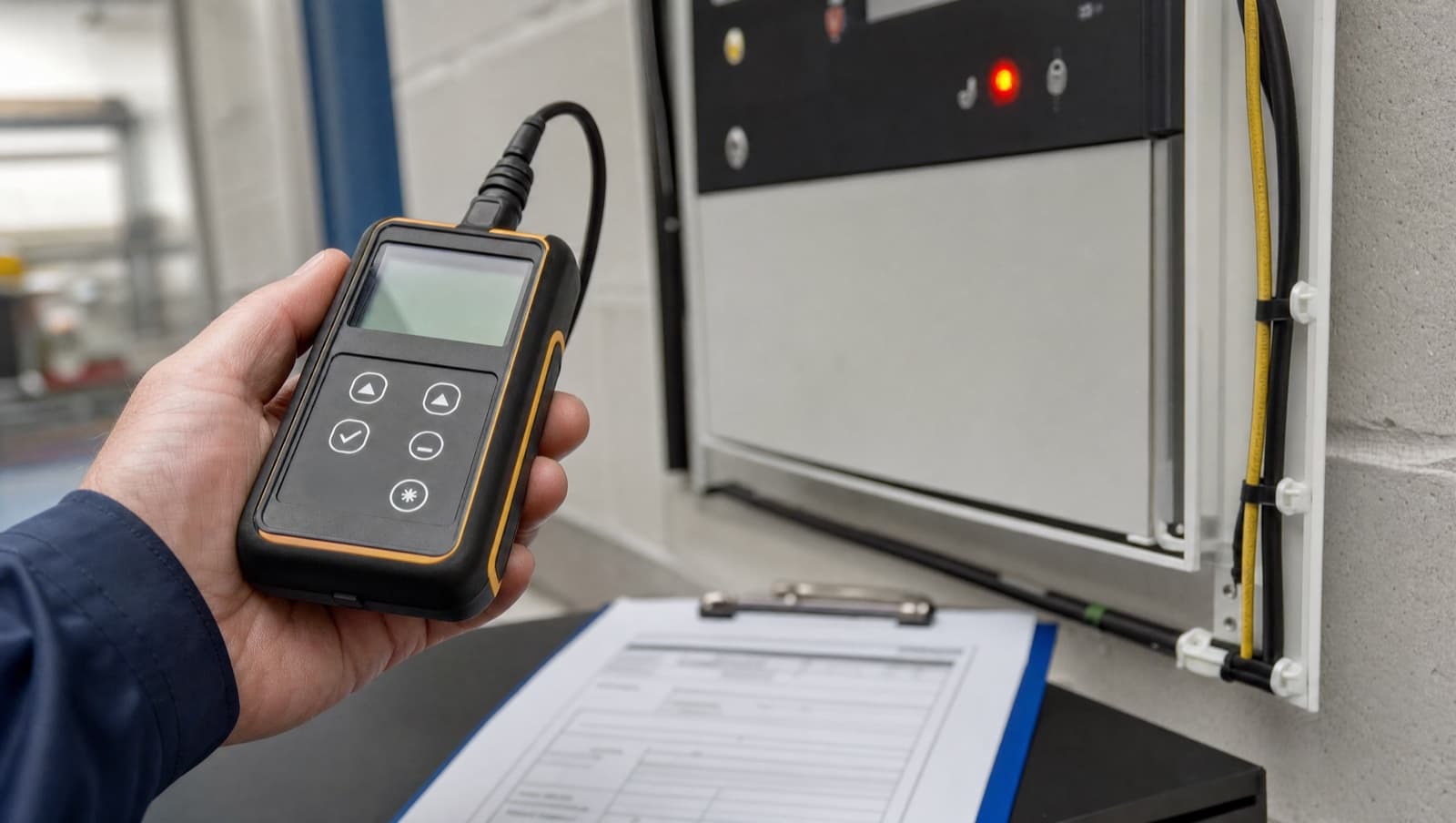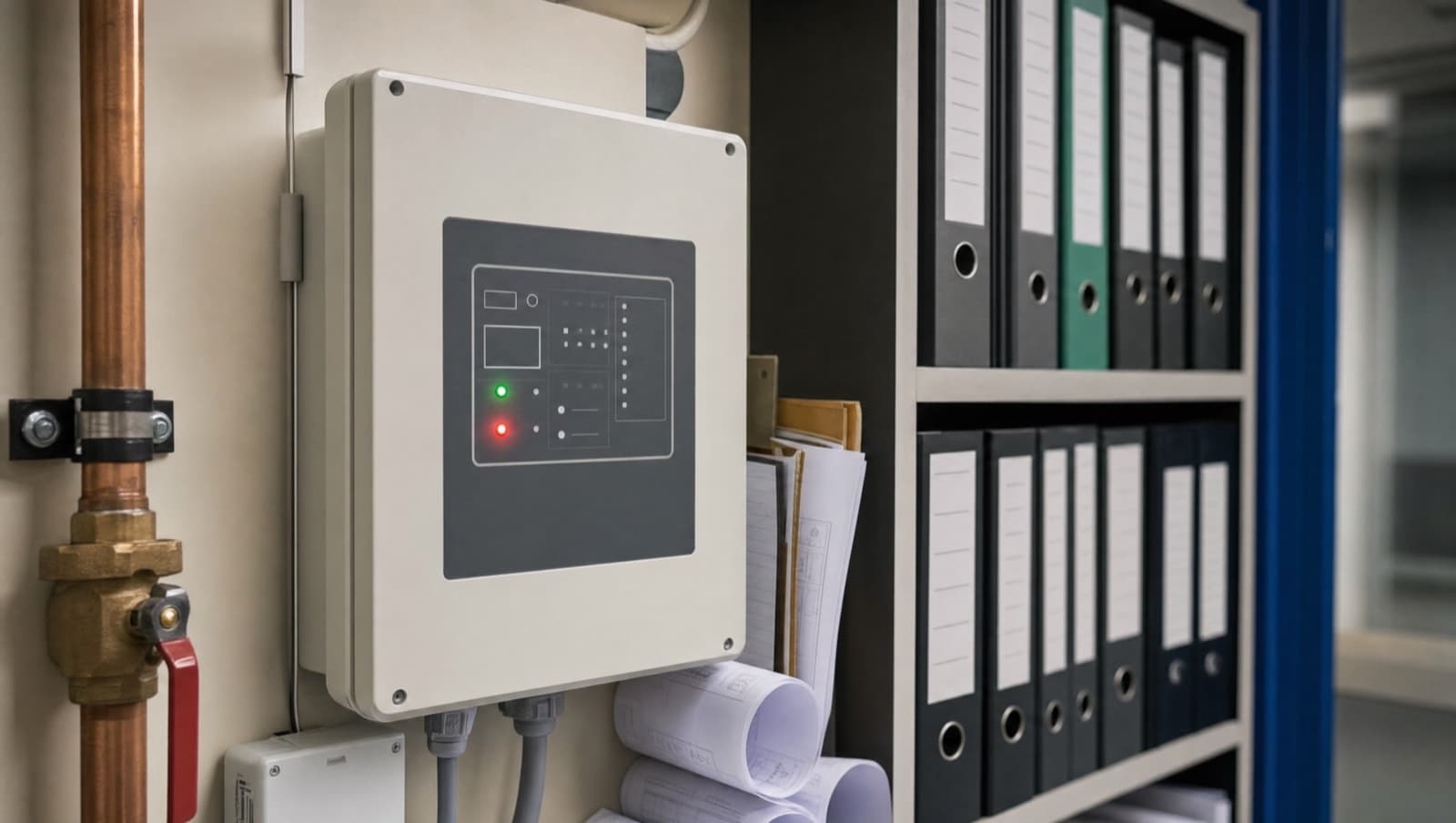

Plant room leak detection is a system of sensing cables, point sensors, or both, installed along pipe routes, beneath equipment and inside drip trays to detect water where it shouldn't be. The sensing element changes resistance on contact with water, triggering an alarm and, where fitted, automatic mains isolation before a leak floods the space.
What is plant room leak detection?
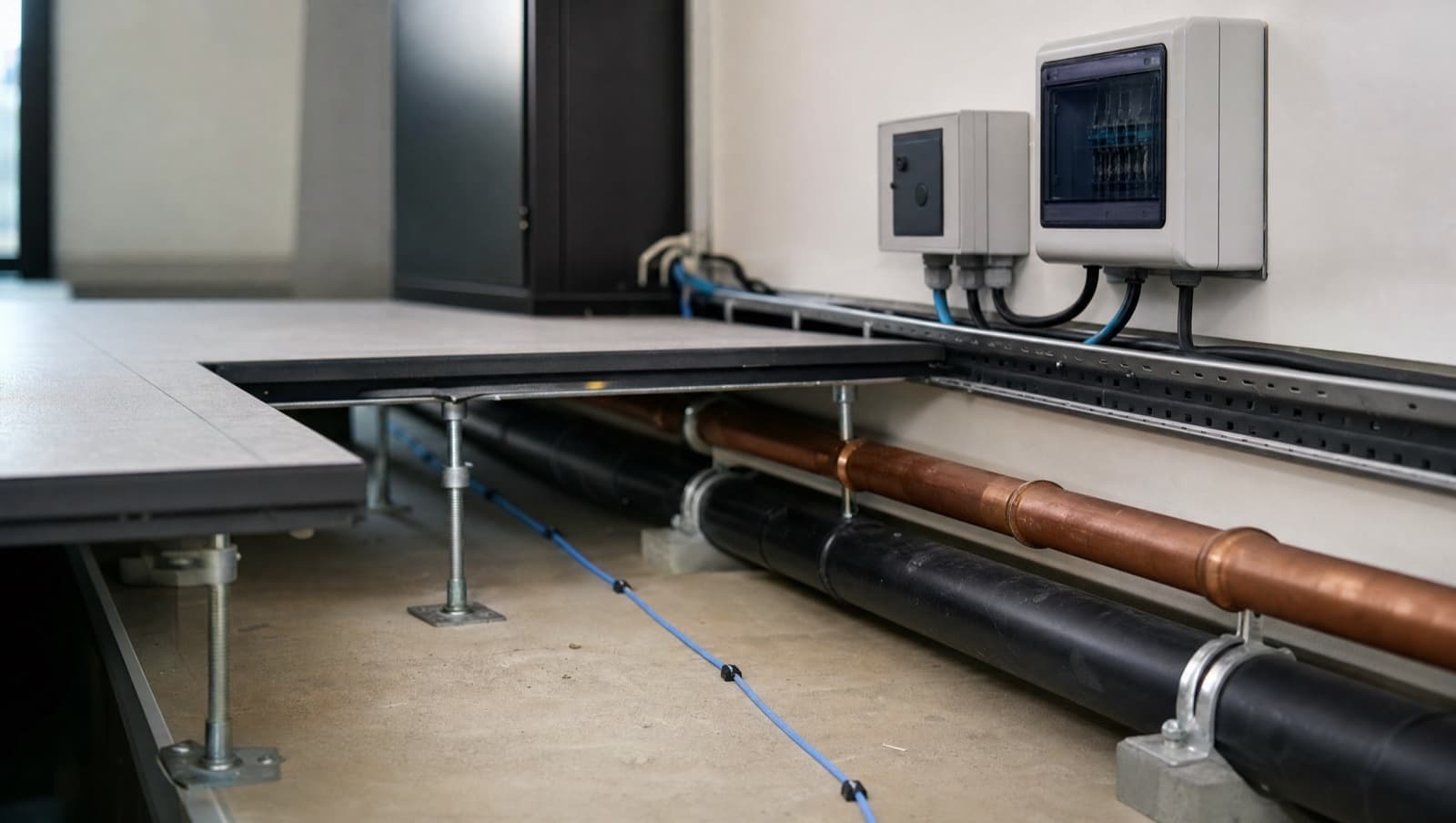
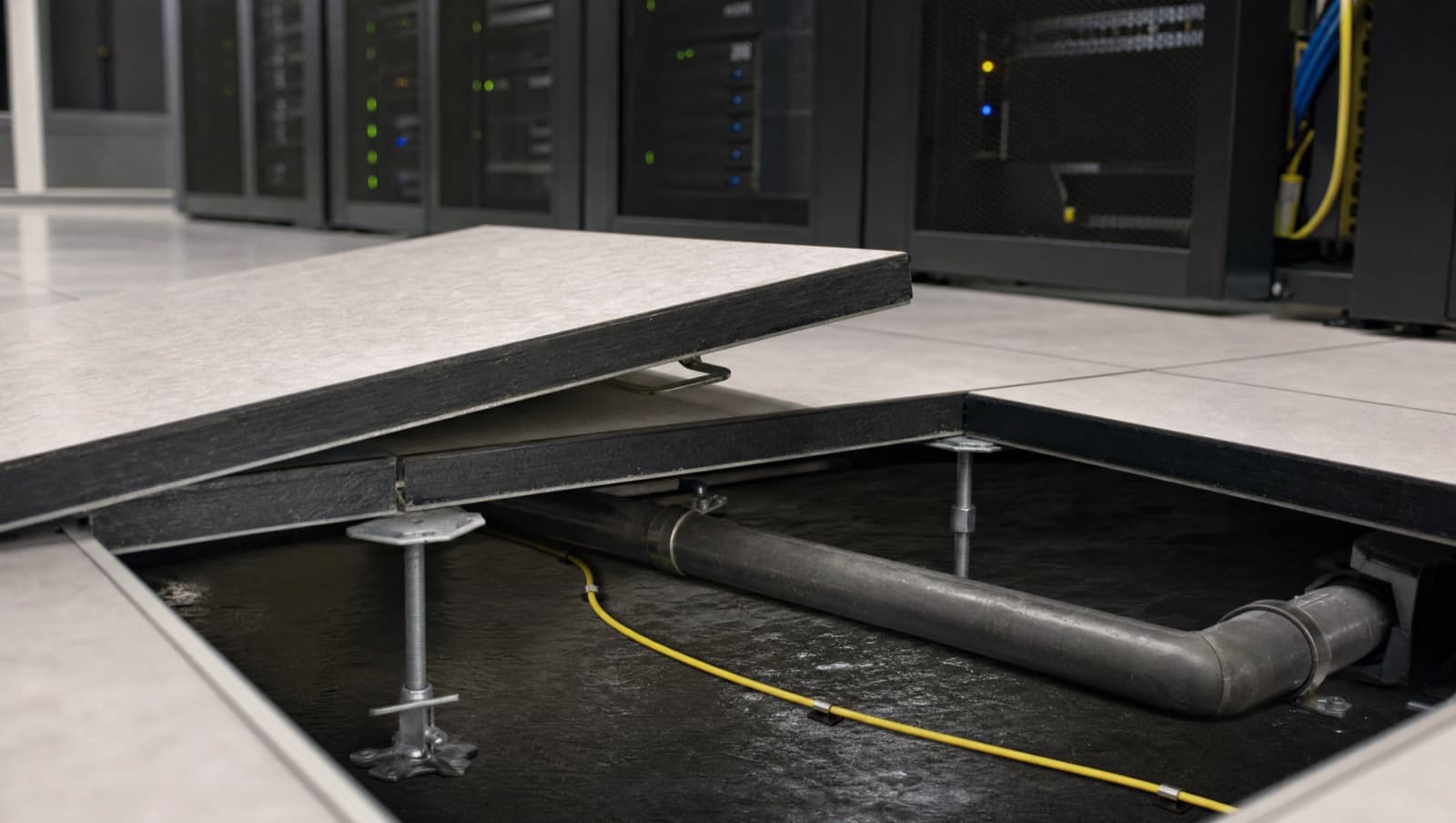
Plant room leak detection is a system of sensing cables, point sensors, or a combination of both, installed at strategic locations throughout the plant room to detect the presence of water where it shouldn't be. The sensing element — typically a conductive cable that changes resistance when it contacts water — runs along pipe routes, beneath equipment, inside drip trays, and around any area where a leak, burst, or overflow could occur. Plant rooms concentrate virtually every wet service in the building into one space — chillers, boilers, calorifiers, pressurisation units, header pipes, expansion vessels, domestic hot water cylinders, and the incoming mains supply all running within metres of each other.
Why does plant room leak detection matter in real buildings?
The commercial case for plant room leak detection is straightforward once you've seen what happens without it. Plant rooms sit at the heart of building services infrastructure. We've seen plant room floods in central London buildings that took out electrical distribution boards two floors below the source. From a landlord's perspective, the numbers are stark: the total exposure from a major plant room flood can easily exceed £250,000, while a leak detection system with BMS integration typically costs between £3,000 and £12,000.
What usually goes wrong with plant room leak detection?
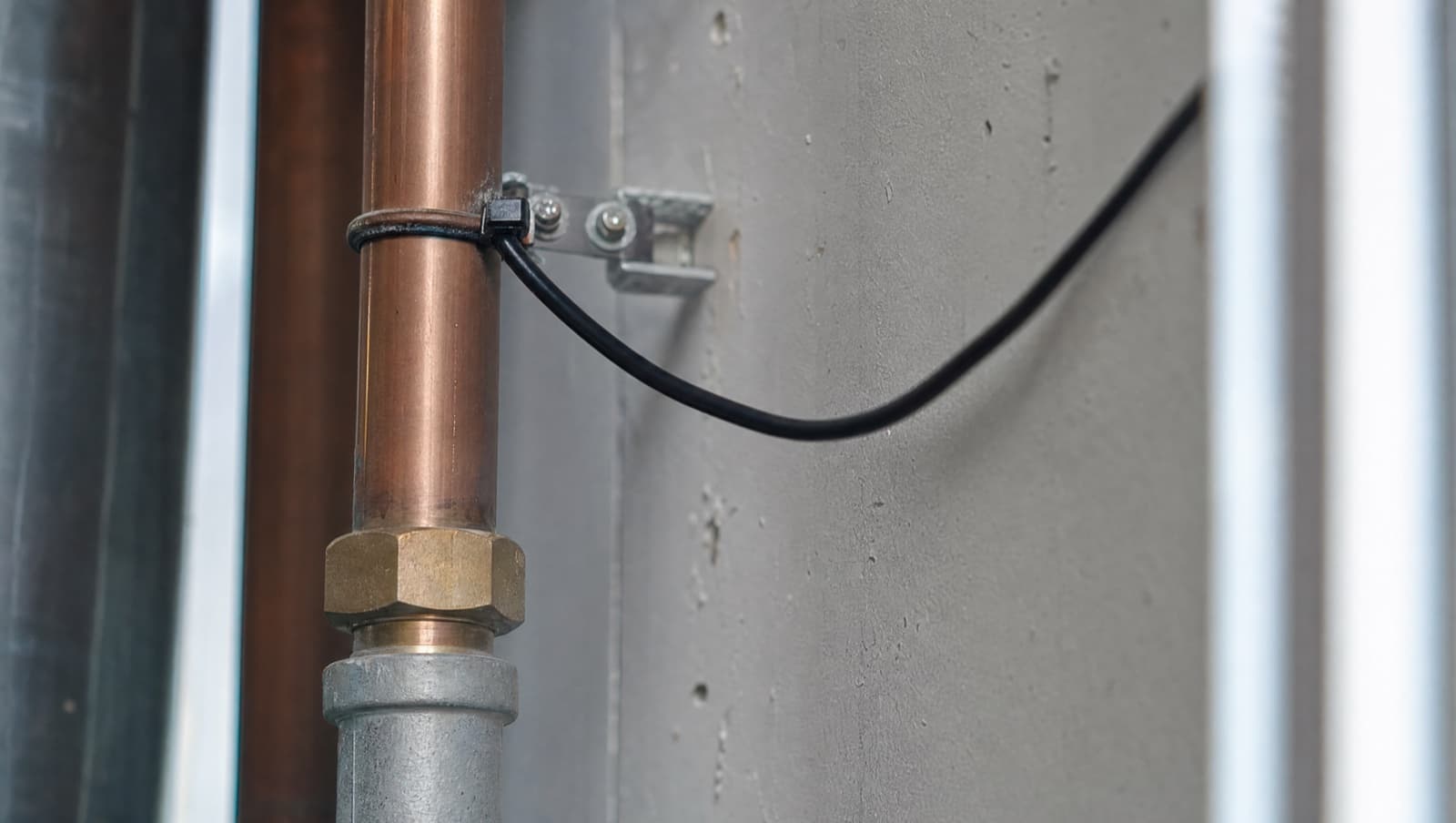
The most common failure we encounter isn't a faulty sensor or a broken panel — it's a system that was installed but never properly thought through. Cable routing is where most installations fall down. Condensation is another problem that catches out poorly designed systems, throwing false alarms around chillers and cold pipework. Cable protection is routinely inadequate, leaving the sensing element exposed to mechanical damage in a busy plant room.
Get a Free BMS Survey
We'll assess your controls and provide a detailed quotation.
Which standards and legislation apply to plant room leak detection?
BS 8558:2015 is the primary UK standard for water services design, requiring leak detection where the consequences of an undetected leak would be significant. CIBSE Guide B covers mechanical services and requires adequate drainage and condensation management in plant rooms. BS 7671:2018 governs the electrical installation of detection panels and valve actuators. Together these define how a compliant system should be designed, wired and managed.
What does a well-designed plant room leak detection system look like?
A well-designed plant room leak detection system starts with understanding the space. The zone strategy is critical — six or eight zones tells you exactly where the problem is, rather than just that there is one. Sensor cable routing should follow pipe runs at low level, where escaping water will actually travel. BMS integration should provide zone-by-zone alarm status, panel health, and valve position feedback so the issue is visible the moment it starts.
When should you act on plant room leak detection?
If your plant room doesn't have leak detection, the time to act is before the next leak — a burst pipe at 2am on a Saturday will cost you more before breakfast than a properly designed system costs to install. For new build projects, there is no excuse for omitting plant room leak detection from the specification. If your plant room needs leak detection, get in touch or request a quote.
Full scope, sensor types and BMS integration detail are on our leak detection service page.
Darren Grix
Specialist BMS installation, commissioning, and maintenance across London and the South East. SafeContractor Approved, BCIA Member.