
Retrofit when the existing field wiring, sensors, and actuators are sound and only the obsolete controllers need replacing; replace fully when field devices are degraded, the strategy must change, or refurbishment alters the mechanical layout. The right answer comes from a proper survey, not a contractor's proposal. Most buildings sit between the two.
You have inherited a BMS that was installed fifteen years ago. The controllers are obsolete, the manufacturer has end-of-lifed the product range, spare parts are getting harder to source, and the last engineer who understood the system programming retired three years ago. The graphics look like they were designed for Windows XP — because they were. The system still works, mostly, but every time something fails, the repair takes longer and costs more than the last one. You know you need to do something, but the question is: do you rip it all out and start again, or do you upgrade it piece by piece?
This is one of the most consequential decisions a building owner or facilities manager will make, because the answer affects not just the capital cost but the operational disruption, the energy performance, the maintenance complexity, and the lifespan of the next system. Get it wrong, and you either spend twice what you needed to on a full replacement that was not necessary, or you bodge together a half-upgraded system that creates more problems than it solves.
The honest answer is that it depends on the specifics of the building, the existing system, and what the building needs to do going forward. But there are clear criteria that push the decision one way or the other, and understanding those criteria is worth more than any contractor's proposal.
What does a legacy BMS upgrade actually involve?
A legacy BMS upgrade covers everything from replacing a single obsolete controller with a modern equivalent, to stripping out the entire system — controllers, field wiring, sensors, actuators, head-end software — and installing a brand new platform from scratch. Most projects fall somewhere in between, and the art is in finding the right point on that spectrum for the specific building.
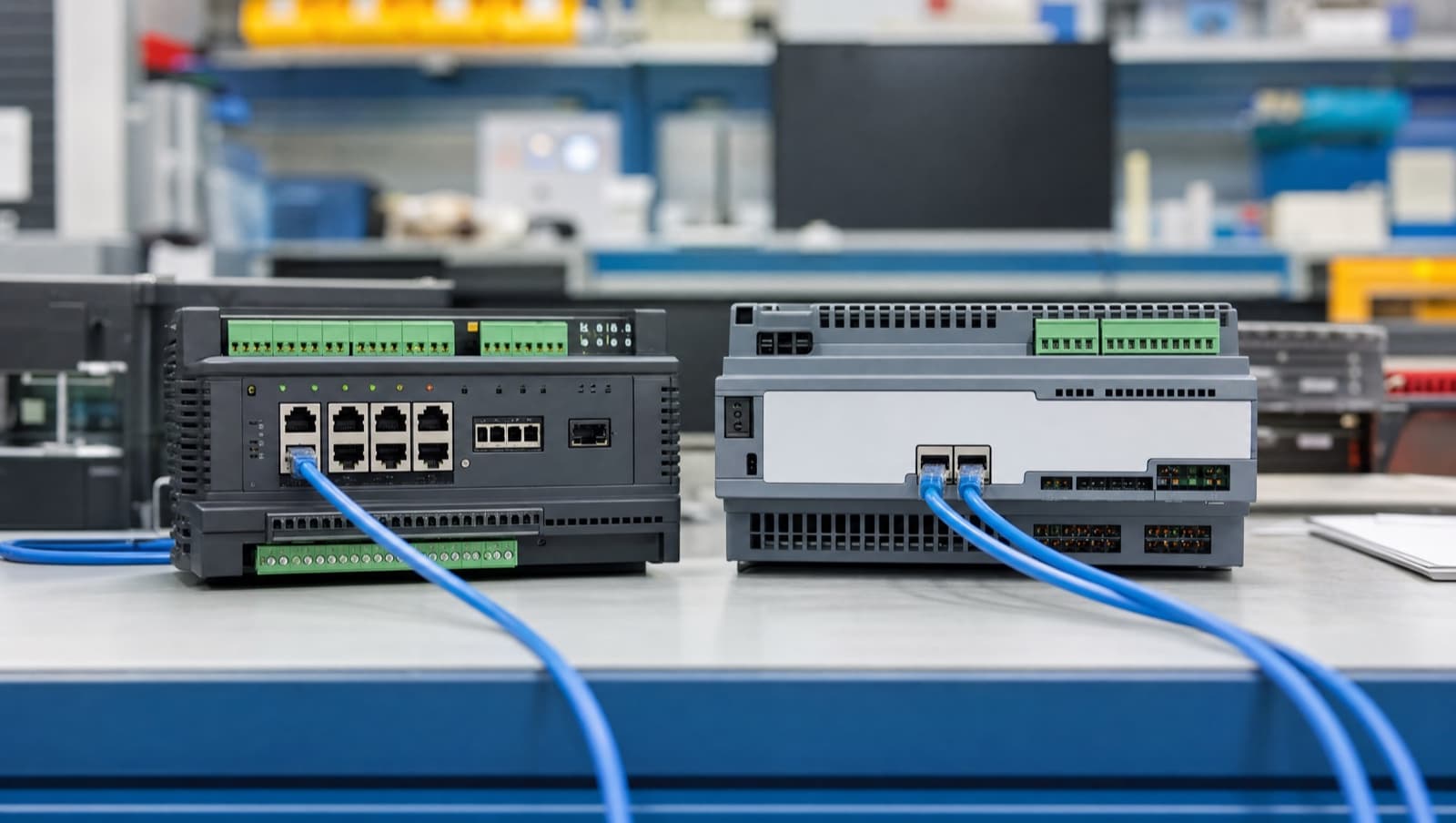
At one end is the controller-level retrofit, where obsolete controllers (such as Trend 963s or Siemens Unigyr) are replaced with modern equivalents (Trend IQ4, Siemens PXC series) that use the existing field wiring, sensors, and actuators. The new controllers speak BACnet, connect to a modern supervisory platform, and give you current-generation graphics, trending, and remote access — without touching any of the wiring in the ceiling void or the sensors on the ductwork.
In the middle is the gateway approach, where a BACnet gateway or protocol converter is used to integrate existing legacy controllers into a new supervisory platform. This preserves the existing controllers and their programming but wraps them in a modern front end. It is the least disruptive option and the quickest to deploy, but it means you are still running obsolete hardware that will eventually fail.
At the other end is the full system replacement, where everything from the outstation controllers to the field sensors is removed and replaced. This gives you a completely new system with a known lifespan, consistent specification, and no legacy compromises — but it comes with significant cost, disruption, and project risk, particularly in occupied buildings.
Why does the retrofit-or-replace decision matter so much?
The upgrade decision matters because the wrong choice creates problems that persist for years. A building owner who replaces a perfectly functional system because a contractor told them it was necessary has wasted capital that could have been spent on energy improvements, plant upgrades, or tenant improvements. A facilities manager who keeps patching an obsolete system because they cannot get capital approval for an upgrade will spend more on reactive maintenance in three years than the upgrade would have cost — while operating a building that is increasingly unreliable, energy-inefficient, and non-compliant with current standards.
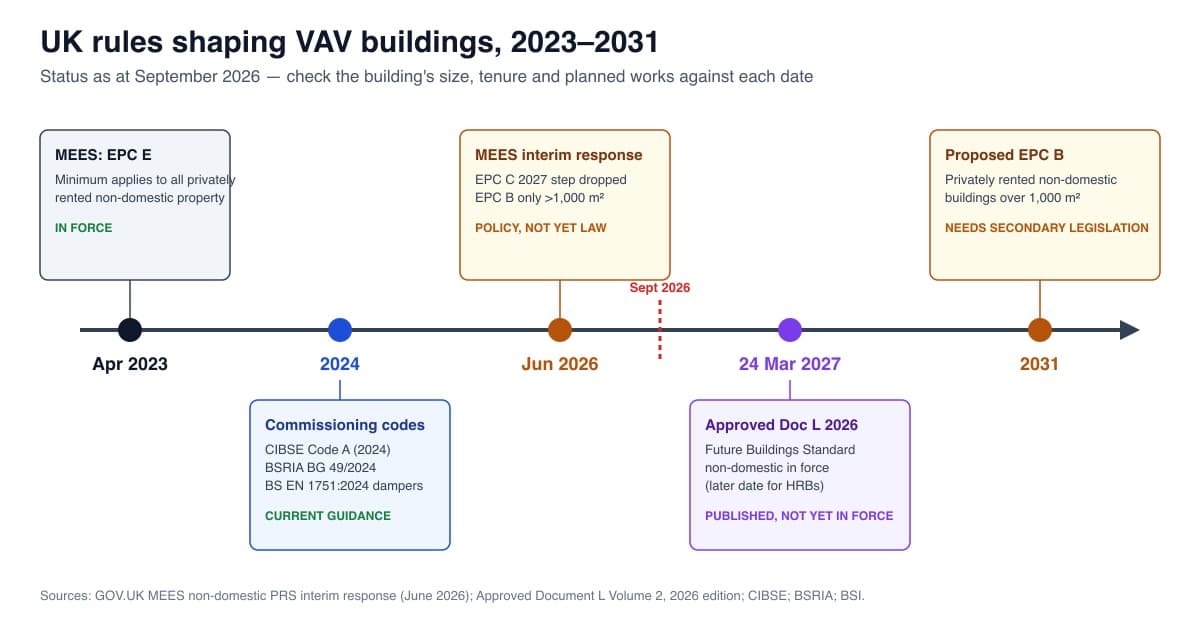
The decision also affects MEES compliance. Commercial buildings in England and Wales must achieve a minimum EPC rating, and the trajectory is towards EPC C by 2027 and EPC B by 2030 for leased properties. A legacy BMS that cannot implement weather compensation, optimum start/stop, or time scheduling to current standards will drag down the EPC rating and may make the building unlettable. Approved Document L requires that building services controls meet current efficiency standards when they are replaced, so a BMS upgrade is an opportunity to improve the EPC — but only if the new system is properly specified and commissioned to deliver energy savings.
What usually goes wrong with a BMS retrofit?
The most common mistake is treating the BMS upgrade as a like-for-like replacement rather than an opportunity to improve the building's performance. A contractor strips out the old controllers, installs new ones, replicates the existing control strategy, and hands it back. The building now has new hardware running the same mediocre strategy that the old system was running. The graphics look better, but the energy consumption has not changed, the comfort complaints have not improved, and the FM team still does not have the data they need to manage the building effectively.
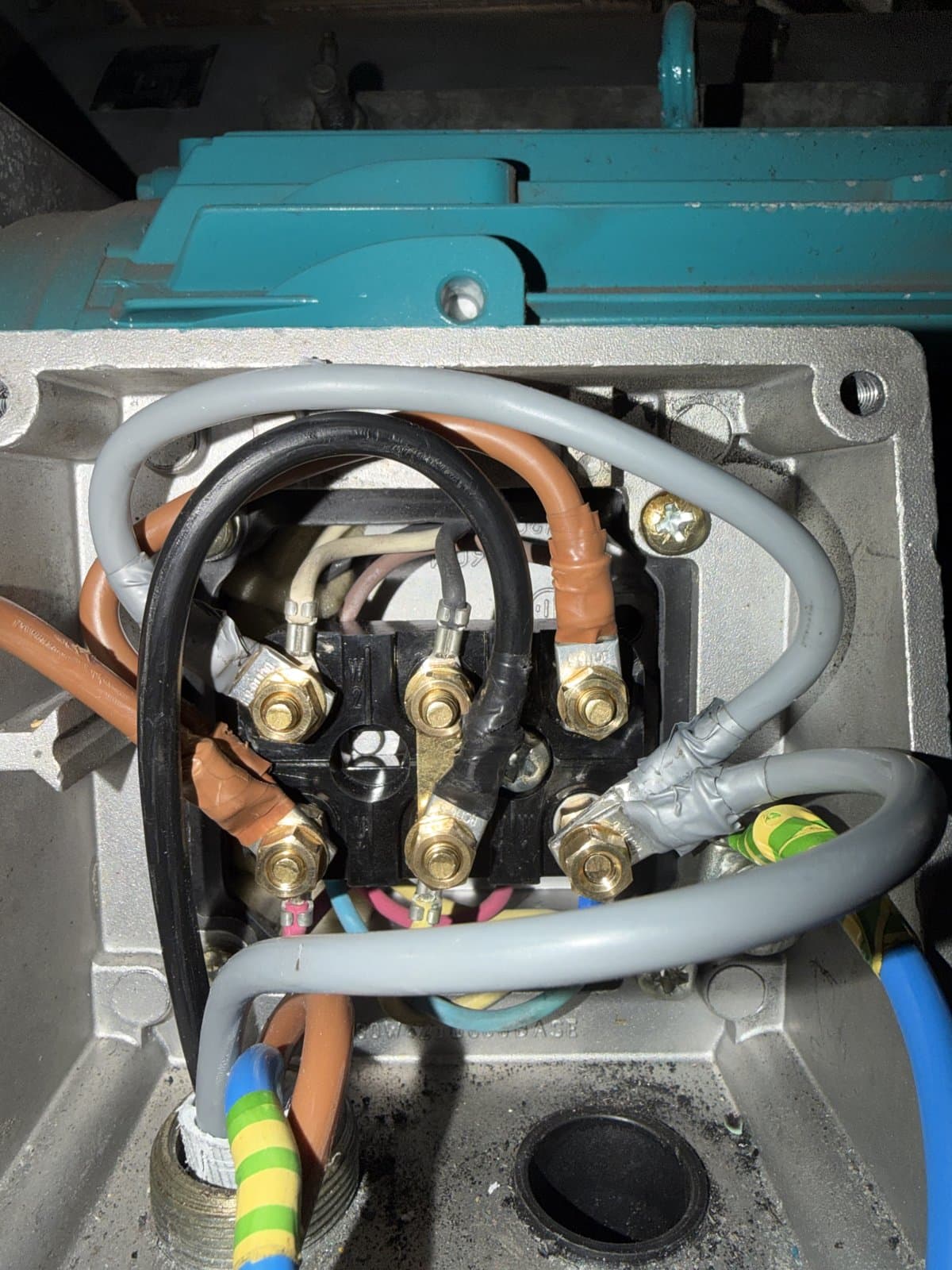
The second mistake is underestimating the condition of the field devices. Controllers are the visible part of the BMS, but the system also includes hundreds or thousands of sensors, actuators, valve bodies, damper motors, and cable connections that degrade over time. If you replace the controllers but leave twenty-year-old actuators in place, you will be chasing mechanical failures within two years. A proper survey should assess the condition of all field devices, not just the controllers, before deciding on the upgrade scope.
The third mistake is choosing the wrong gateway strategy. BACnet gateways are a powerful tool for phased upgrades, but they have limitations. A gateway can expose the data points from a legacy controller on a BACnet network, but it cannot add functionality that the legacy controller does not have. If the old controller does not support weather compensation, a gateway will not add it. If the old controller has limited memory and cannot accommodate additional control sequences, a gateway will not fix that. Gateways are a bridge, not a destination — they buy you time to plan a phased controller replacement, but they should not become a permanent solution.
The fourth mistake is neglecting the software and licensing dimension. Modern BMS platforms typically require annual software licences for the supervisory head-end, cloud connectivity, and remote access. These ongoing costs need to be factored into the total cost of ownership, not just the capital cost. We have seen projects where the cheapest hardware proposal became the most expensive option over five years because of software licensing costs that were not disclosed at tender stage.
Get a Free BMS Survey
We'll assess your controls and provide a detailed quotation.
Which standards and regulations govern a BMS upgrade?
CIBSE Guide H provides the definitive guidance on building control systems design and specification. Section 5 covers system selection and specifies that BMS upgrades should be designed to meet the current edition of the guide, not replicate the standards that applied when the original system was installed. This means that a retrofit project should deliver control capabilities that meet current best practice, including optimum start/stop, weather compensation, load compensation, night purge, and demand-based control where applicable.
BS EN ISO 16484-5, the BACnet standard, is central to any legacy BMS upgrade because BACnet is the mechanism that enables interoperability between old and new equipment. Understanding BACnet interoperability profiles (B-AAC, B-ASC, B-BC, etc.) helps specify what the new controllers need to support and ensures that equipment from different manufacturers can work together on the same network. For Trend systems, the IQ4 range supports BACnet/IP natively, which simplifies integration with third-party systems.
Approved Document L of the Building Regulations requires that when building services are upgraded, the controls must meet current efficiency standards. This means that a BMS retrofit is not just a hardware replacement — it triggers an obligation to implement control strategies that comply with current Part L requirements, including weather compensation on heating circuits, optimum start/stop, zone-level time and temperature control, and metering of energy consumption.
BSRIA BG 11/2010, the Soft Landings framework, is relevant to BMS upgrades because it addresses the gap between design intent and operational performance. A Soft Landings approach to a BMS retrofit includes a period of extended aftercare where the installing contractor monitors system performance, adjusts setpoints and schedules based on actual building use, and hands over a system that is tuned for the building rather than just functionally complete. This is particularly important for upgrades in occupied buildings where the usage patterns are known and the system can be optimised from day one.
What does a phased retrofit look like on a real project?
The Pinsent Masons project we completed is a good example of how phased retrofit works in practice. The building had sixteen floors of FCU-controlled office space with legacy Trend controllers approaching end of life. A full system replacement was quoted at over six figures and would have required weekend-only access due to the building remaining fully occupied.
Instead, we designed a phased controller upgrade that replaced obsolete Trend 963 controllers with IQ4 units floor by floor, reusing the existing field wiring and the majority of the field devices. Each floor was completed in a weekend — controllers swapped, new strategy loaded, tested, and handed back operational on Monday morning. The existing field wiring was megged and tested before reconnection, and any sensors or actuators that failed testing were replaced at the same time.
The project also included integration with LightFi for occupancy-based lighting and environmental control, which would not have been possible on the legacy controllers. The phased approach spread the capital cost over multiple financial years, minimised disruption to the occupied building, and delivered a modern BACnet/IP system with current-generation graphics and remote access — without the risk and cost of a full rip-and-replace.
What does a good BMS upgrade look like?
The right approach starts with a thorough survey of the existing system. This means not just listing the controller types and ages, but assessing the condition of field devices, testing the field wiring, reviewing the existing control strategy, and identifying what the building actually needs the BMS to do going forward. The survey should produce a clear recommendation with options: what can be retained, what must be replaced, and what the cost and programme implications are for each approach.
A good upgrade specification addresses the full system lifecycle, not just the hardware. It includes the control strategy (what the system will do, not just what equipment it will have), the commissioning methodology, the handover and training requirements, the ongoing maintenance needs, and the software licensing costs. It is written to be manufacturer-neutral using BACnet as the interoperability standard, so the building owner is not locked into a single vendor for the life of the system.
The phased approach is almost always preferable for occupied buildings. It reduces the capital expenditure in any single year, limits the disruption to building operations, allows the FM team to learn the new system progressively, and provides natural break points where the scope can be adjusted based on what has been learned from the earlier phases.
When should you act on a legacy BMS upgrade?
The decision to upgrade becomes urgent when any of these conditions are true: the controller manufacturer has formally end-of-lifed the product range and spare parts are no longer available; the supervisory software is running on an unsupported operating system; the BMS cannot implement the control strategies required for current MEES compliance; the system is experiencing frequent controller failures with increasing mean time to repair; or the building is undergoing a refurbishment that will change the mechanical services layout.
If you are in the early stages of considering a BMS upgrade, the right first step is an independent survey and options appraisal — not a proposal from a contractor who will inevitably recommend the option that generates the most revenue for them. An independent assessment gives you a clear picture of what you have, what you need, and what it should cost, before you go to tender.
How do you make the right retrofit-or-replace decision?
The retrofit-or-replace decision is not binary. Most successful BMS upgrades involve a combination of controller replacement, field device renewal, gateway integration, and software migration, tailored to the specific building and phased to manage cost and disruption. The key is to base the decision on a proper survey, a clear understanding of what the building needs, and a specification that addresses the full lifecycle — not just the installation cost.
If you have a legacy BMS that is approaching end of life and you are not sure which approach is right for your building, we can carry out an independent system survey and options appraisal. Alpha Controls works with all major BMS platforms — Trend, Siemens, Schneider, Distech, Honeywell — and we design upgrades that prioritise building performance and operational value, not equipment sales. Our BMS installation and upgrade services cover the survey, the specification and the commissioning.
Where the decision is shaped by the building type or the location, we have covered those cases separately: migrating legacy controls in London commercial buildings, BMS upgrades in Kent, school BMS upgrade costs and funding, upgrading a university estate over the summer recess, what to do when a control panel reaches end of life, and planning a five-year controls upgrade programme.
Get in touch to discuss your legacy BMS upgrade, or request a quote for an independent survey and options appraisal.
Alpha Controls
Specialist BMS installation, commissioning, and maintenance across London and the South East. SafeContractor Approved, BCIA Member.