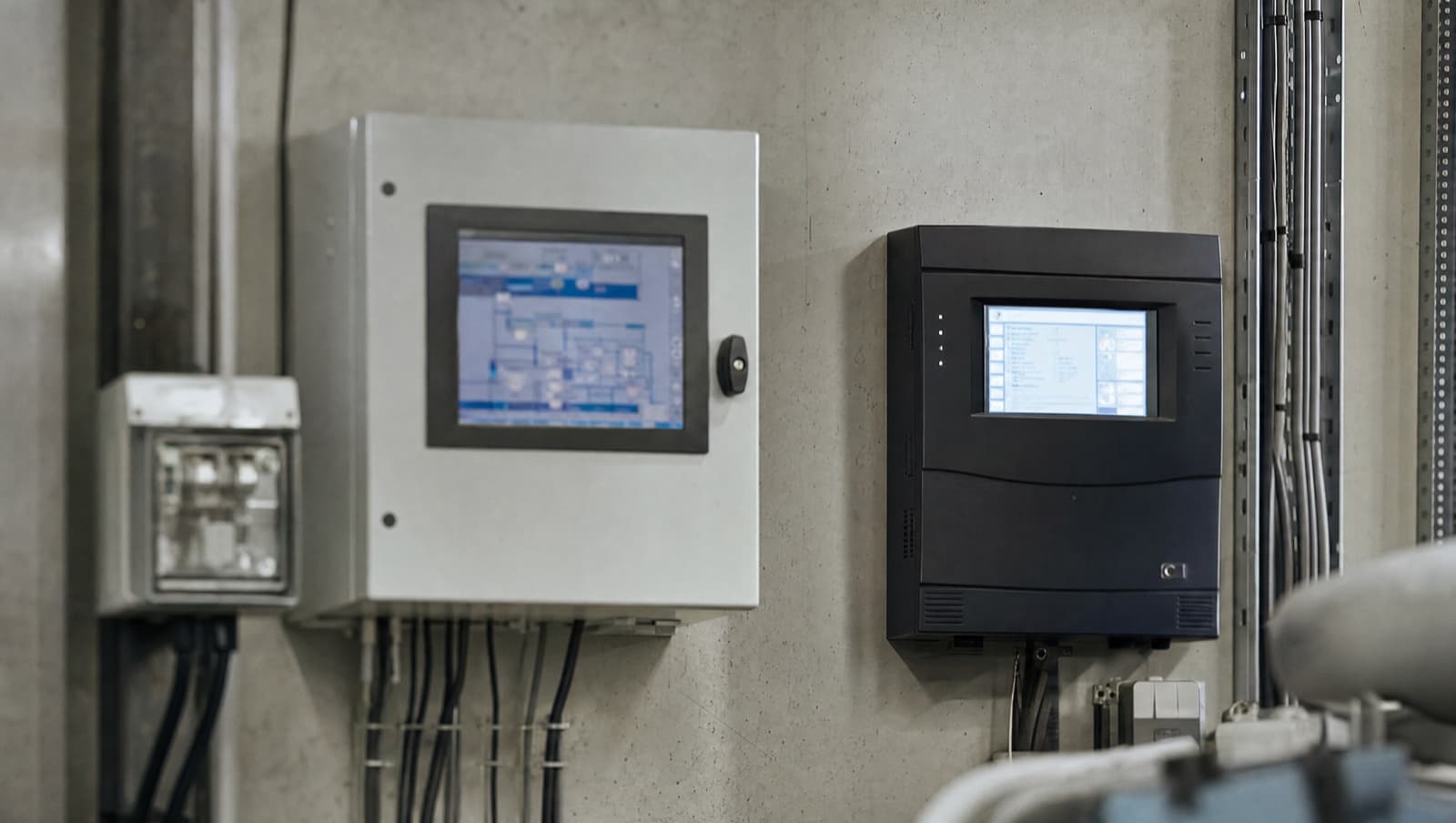

Schneider EcoStruxure suits multi-tenant buildings because its layered architecture runs shared central plant on one network while giving each tenant isolated zone control, separate sub-metering and tenant-specific schedules. The trade-off is governance: without clear data ownership, scoped user accounts and accurate metering, the platform becomes a source of disputes rather than truth.
Walk into any multi-let commercial building and the controls problem is never really about hardware. It is about people. Different tenants, different fit-out standards, different energy contracts, and one shared infrastructure all sitting on top of the same chillers, boilers and AHUs. The landlord wants one platform that gives visibility and keeps the building MEES-compliant. Each tenant wants their floor to be comfortable, their bill to be fair, and nobody else touching their controls. EcoStruxure can deliver all of that, but only if the system is designed around how the building is actually let, not just how the plant is piped.
What is Schneider EcoStruxure and how does it handle multiple tenants?
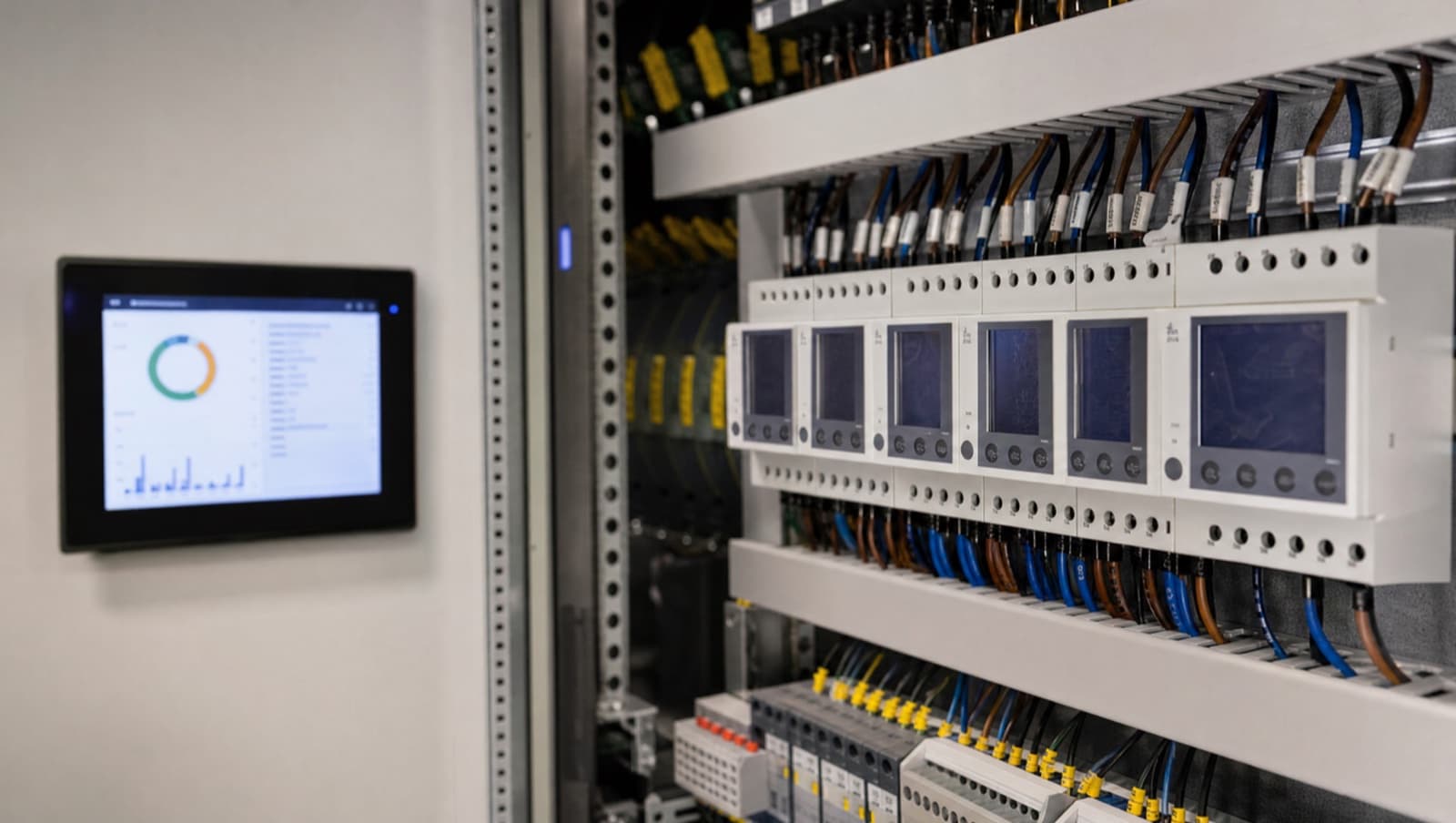
EcoStruxure Building is Schneider's IP-based building management platform. At the top sits EcoStruxure Building Operation (EBO), the supervisor that holds the graphics, schedules, trends and alarms. Below it sit automation servers and field controllers talking BACnet/IP and BACnet MS/TP down to the plant, plus SmartX controllers and IP room controllers at zone level. Because the whole stack is BACnet-native and built on BS EN ISO 16484-5, the standard that defines the BACnet protocol and its object model, you can carve the building into logical partitions without splitting it into separate physical systems.
For multi-tenant work that layering is the whole point. Central plant, landlord-owned and landlord-paid, lives on one part of the network. Each tenant's fan coil units, VAV boxes and zone sensors live in their own partition with their own graphics page, their own time schedules and their own user accounts. EBO supports role-based access, so a tenant's FM can be given rights to adjust their own setpoints and view their own energy without ever seeing, let alone changing, the floor above. That separation is what makes EcoStruxure suitable for a let building rather than just a single-occupier headquarters.
How does sub-metering work for tenant billing in EcoStruxure?
Fair tenant billing lives or dies on metering, and this is where most multi-tenant BMS projects quietly fall over. EcoStruxure can pull electricity, heat, cooling and water meters in over Modbus or BACnet and present them per tenant, per floor or per system. The platform side is the easy bit. The hard bit is making sure the metering boundaries match the lease boundaries.
In practice the issue is that landlord power and tenant power get mixed. Shared corridor lighting, landlord-supplied cooling to a tenant's comfort cooling units, a riser that feeds two demises off one meter. If the meter tree does not map cleanly onto who pays for what, the data coming out of EcoStruxure is precise but wrong, and a tenant who gets an inflated recharge will challenge it. Heat metering on shared systems needs particular care: BS EN 1434, the standard for heat meters used in billing, sets the accuracy classes and installation requirements that make a heat-cost recharge defensible. If a heat meter is installed outside its rated flow range or without the correct straight pipe lengths, its readings can drift well outside the billing tolerance and you have an argument waiting to happen.
Good practice is to design the metering schematic alongside the demise plan, label every meter to the lease it serves, and validate readings against the incoming landlord supply before anyone is recharged. EcoStruxure will happily trend all of it, but trending the wrong boundaries just means you log a billing dispute very accurately.
How do you keep one tenant from affecting another tenant's controls?
True tenant isolation in EcoStruxure is part network design, part user management, part interlock logic. On the network side, you keep tenant controllers on their own BACnet segments or VLANs so a fault, a rogue device or a careless commissioning engineer on one floor cannot flood the wider network or write to objects they should not touch. On the user side, EBO's role-based access control is configured so each tenant account is scoped to their own objects only, with the landlord holding the master administrator role over central plant and the network itself.
The part that catches people out is the shared plant interlock. Tenants share chillers, boilers and risers, so one tenant calling for a lot of cooling, or running a 24/7 fit-out load nobody told the landlord about, can degrade comfort for everyone else on the same system. This is a logic problem, not an access problem. The sequences need demand limiting, sensible setpoint ranges that a tenant cannot override into silly territory, and out-of-hours run logic that bills the tenant who triggered it. Done properly, isolation means a tenant can run their floor as they like within agreed limits, and the building still protects the people next door. CIBSE Guide H, the reference for building control systems design, is explicit that control strategies must be documented and the points of interaction between systems clearly defined, which is exactly the discipline shared multi-tenant plant demands.
Get a Free BMS Survey
We'll assess your controls and provide a detailed quotation.
What usually goes wrong with EcoStruxure in multi-let buildings?
The failures we see on site are rarely the platform itself. They are governance and commissioning gaps that the platform faithfully reproduces. The most common one is the orphaned tenant fit-out: a tenant's Cat B contractor installs their own FCU controllers, ties them into the landlord's network, and leaves no documentation, no graphics, and a handful of points named in a way only they understand. Two tenants later, nobody knows what half the network is doing.
A close second is user account sprawl. Every fit-out adds a few logins, nobody removes the old ones, and within a couple of years the landlord has no idea who can change what. That is both a comfort risk and a security one. EcoStruxure runs on an IP network, and IEC 62443, the standard for industrial automation and control system security, treats stale credentials and flat, unsegmented networks as exactly the weaknesses an attacker looks for. A BMS that can be reached from a tenant's general IT network with a shared password is a genuine exposure, not a theoretical one.
Then there is metering drift, schedules left on landlord defaults so tenants pay to heat empty floors at weekends, and alarm storms where one badly configured tenant floor generates so much noise that the landlord's FM stops reading alarms altogether. None of these are EcoStruxure faults. They are the predictable result of bolting tenant fit-outs onto a shared platform with no one owning the whole picture.
Does EcoStruxure help with MEES and EPC compliance across tenants?
It can, and in a let building it often has to. Under the MEES Regulations 2015 (as amended), commercial property in England and Wales must meet a minimum EPC rating to be lawfully let, with the threshold tightening over time and proposed to rise further toward a B rating by 2030. For a landlord with multiple tenancies, controls performance feeds directly into that rating and into actual energy use, which is what tenants feel in their service charge.
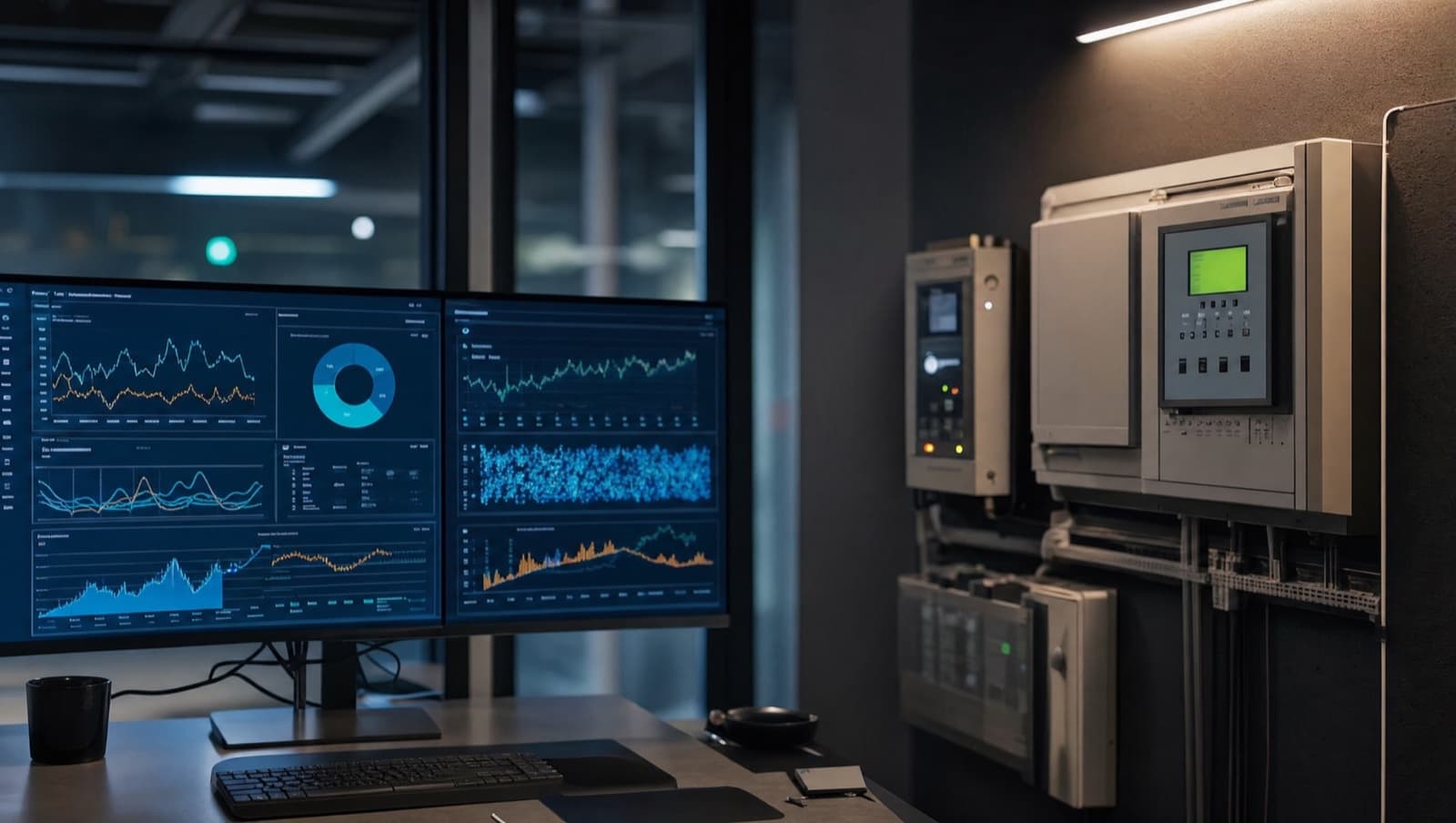
EcoStruxure helps by giving the landlord whole-building and per-tenant energy visibility in one place, so wasted energy can be found and fixed rather than guessed at. CIBSE TM54, the methodology for evaluating operational energy performance, makes the point that the gap between design intent and real consumption is usually driven by how systems are actually operated, not how they were specified, and a well-run BMS is where that gap gets closed. Correct time schedules, optimum start, weather compensation and demand-based control on shared plant are all standard EcoStruxure functions, and Approved Document L expects time and zone control plus weather compensation as a baseline for heated and cooled commercial buildings. The platform gives you the means. Someone still has to own the schedules and keep them honest as tenants come and go.
What does good look like for EcoStruxure in a multi-tenant building?
A well-run multi-tenant EcoStruxure system has a few things in common. The landlord owns the supervisor, the network and the central plant outright, and holds the master administrator role. Each tenant has a clearly bounded partition: their own graphics, their own schedules, their own scoped user accounts, their own sub-metering that maps exactly to their lease. Tenant fit-outs follow a controls specification handed to every Cat B contractor, so new FCUs and VAVs arrive named, documented and integrated to the same standard rather than as black boxes.
Network segmentation keeps tenant controllers apart and keeps the BMS off general IT networks. There is a live points list and an up-to-date set of as-fitted graphics, so the building can be handed between FM providers without losing its memory. And there is a soft-landings discipline to commissioning. BSRIA BG 11/2010, the Soft Landings framework, calls for extended aftercare and seasonal commissioning precisely because controls problems often only show up under load months after handover, which in a building that keeps changing tenants is every quarter, not just year one. Get those right and EcoStruxure does what it is good at: one platform, real visibility, fair bills, and tenants who never have to think about the controls at all.
When should a landlord review or upgrade their BMS setup?
If your building is multi-let and you cannot answer simple questions, that is the trigger. Who can log in and what can they change? Does every tenant meter map to a lease? Are the schedules right for who is actually in the building? Is the BMS reachable from a tenant's IT network? If those answers are vague, the platform is not the problem, the governance is, and that is fixable without ripping anything out.
The practical moments to act are at a tenant change, before a lease event or rent review where service charge and EPC come under scrutiny, after a MEES deadline moves, or when alarm noise and comfort complaints have made the system something the FM works around rather than with. A controls audit at that point usually pays for itself quickly, because the fixes tend to be schedules, metering boundaries, user accounts and network segmentation rather than new hardware.
EcoStruxure is a capable platform for multi-tenant buildings, but a platform is only ever as good as the way it is set up and kept. If you are running a let building on EcoStruxure, or any BMS, and you are not sure the isolation, metering and schedules are doing what you think, a proper review will tell you fast. Get in touch with Alpha Controls or request a quote and we will look at how your building is actually controlled, not just how it was specified.
Darren Grix
Specialist BMS installation, commissioning, and maintenance across London and the South East. SafeContractor Approved, BCIA Member.