
Commercial leak detection in the UK is governed by overlapping standards rather than a single regulation: BS 8558:2015, BS EN 806, BREEAM WAT 02/WAT 03, EN 50600, Approved Document G, FM Global Standard 7745, and LPCB certification. Insurers including Aviva and Zurich increasingly require compliant detection, monitoring, and automatic shut-off as a condition of cover.
Every year, escape of water costs UK property insurers close to a billion pounds. That is not a typo, and it is not spread thinly across obscure edge cases. It is concentrated in commercial buildings where a burst pipe, a failed valve, or a slow leak behind a riser goes undetected for hours — sometimes days — before anyone notices. The damage compounds fast: saturated ceiling tiles, ruined M&E plant, displaced tenants, months of remediation, and an insurance claim that lands with an average repair bill north of twelve thousand pounds. For large commercial properties, the excess alone can reach six figures.
What makes this worse is that it is almost entirely preventable. Leak detection technology has existed for decades. The standards are published. The insurance industry has been screaming about it. And yet the majority of commercial buildings in the UK have no active water leak detection system whatsoever — or worse, they have one that was installed during fit-out and has never been tested, maintained, or connected to anything that would actually alert someone when it triggers.
This is the consolidated guide that should have existed years ago. It covers every relevant UK standard and regulation, what insurers actually require and incentivise, how the standards connect to real-world system design, and what Alpha Controls sees on site when we walk into buildings that thought they were covered.
What does commercial leak detection actually involve?
Leak detection in commercial buildings is not a single product. It is a layered approach that combines sensing technology, monitoring infrastructure, alarm management, and — where appropriate — automatic shut-off to isolate the water supply before damage escalates.
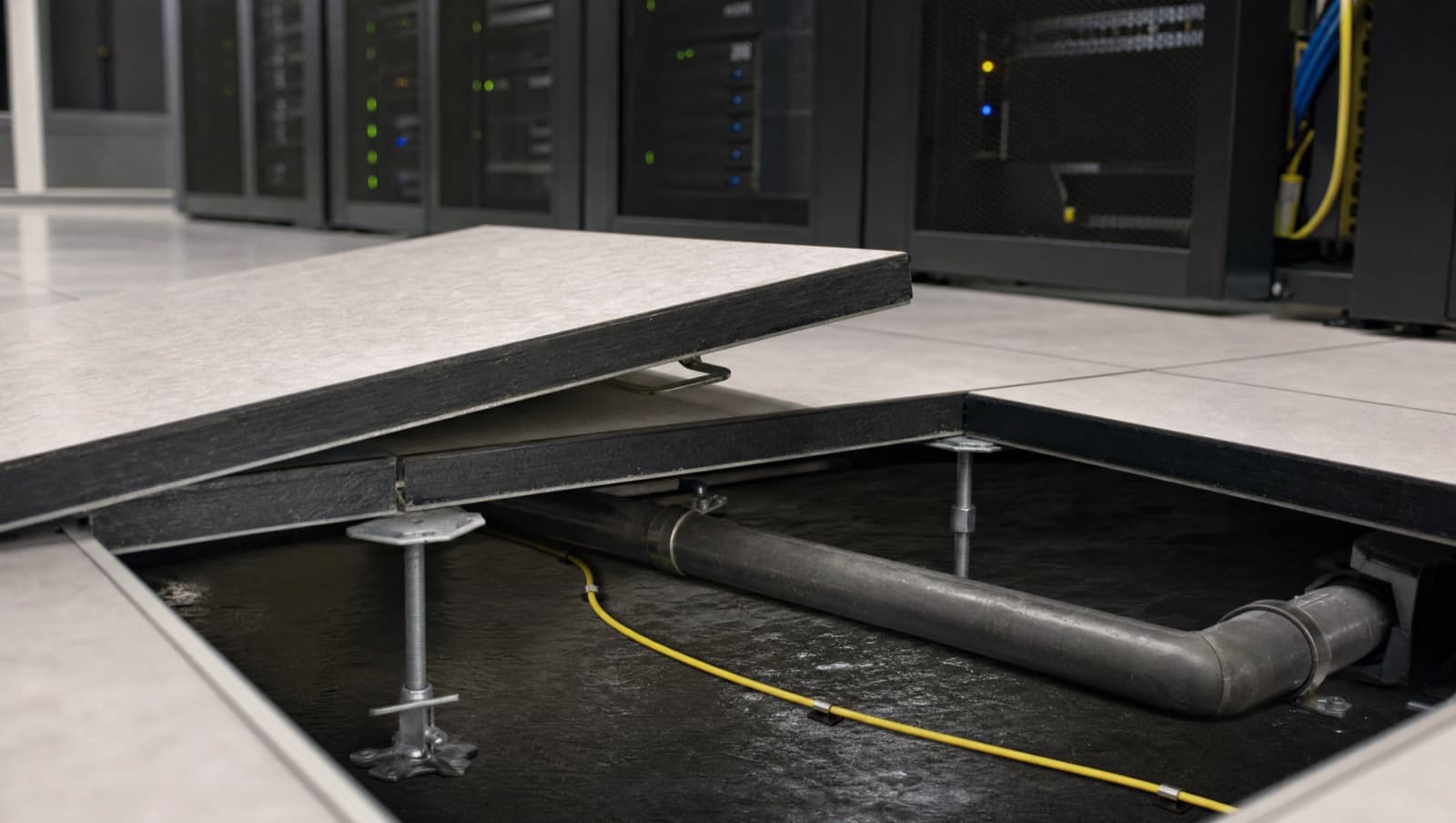
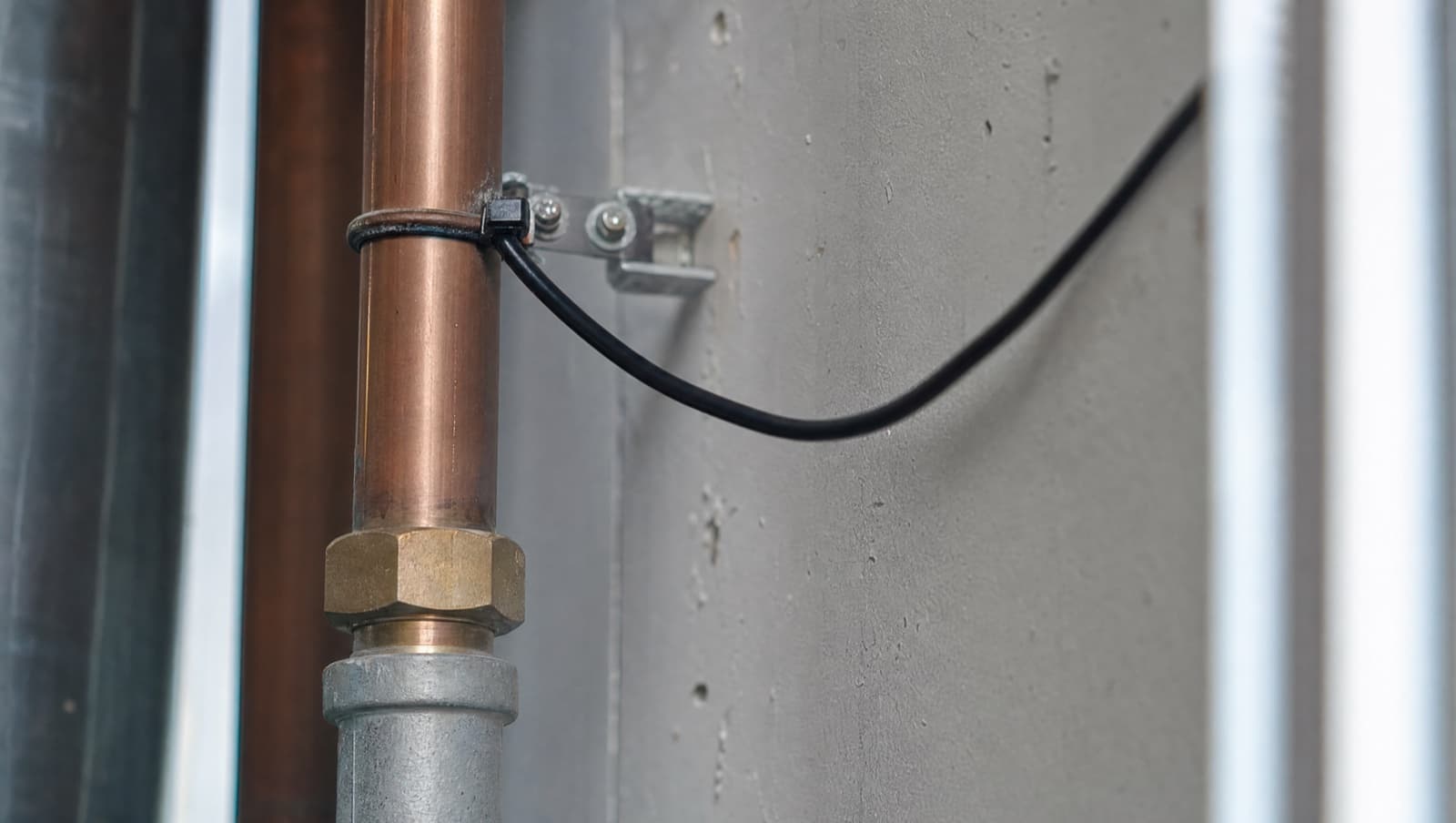
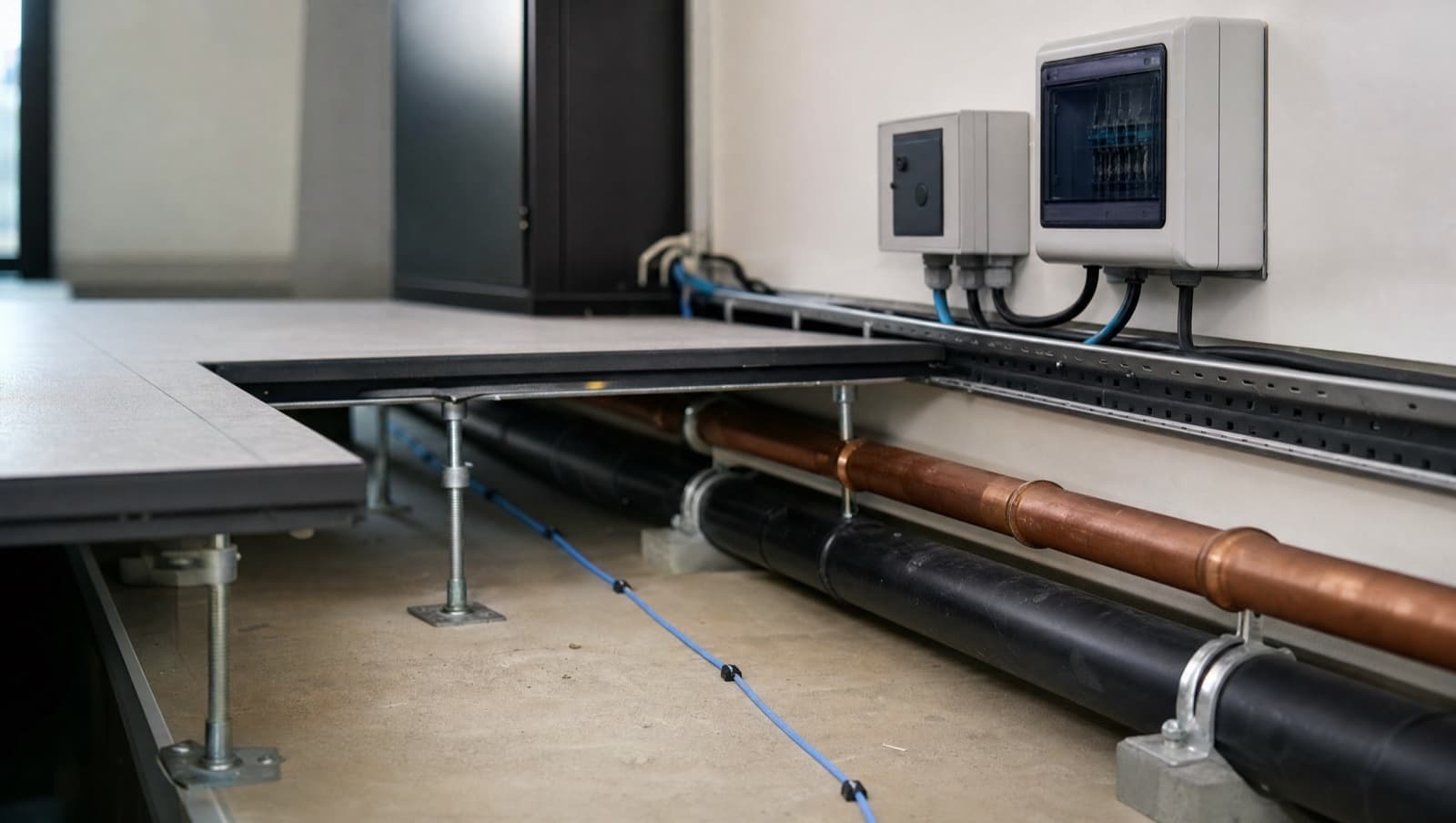
At the sensing level, the two primary technologies are point sensors and addressable cable. Point sensors are discrete units placed at specific risk locations — under FCUs, at valve assemblies, beneath water heaters, at the base of risers. They detect the presence of water at their installed position and trigger an alarm. Addressable cable (sometimes called sensing rope or distance-measuring cable) runs along pipe routes, under raised floors, or around equipment, and can pinpoint the location of a leak to within one metre along the entire cable length. Cable-based systems from manufacturers like TTK and Andel are the standard choice for plant rooms and data centres where you need to know not just that there is a leak, but exactly where it is.
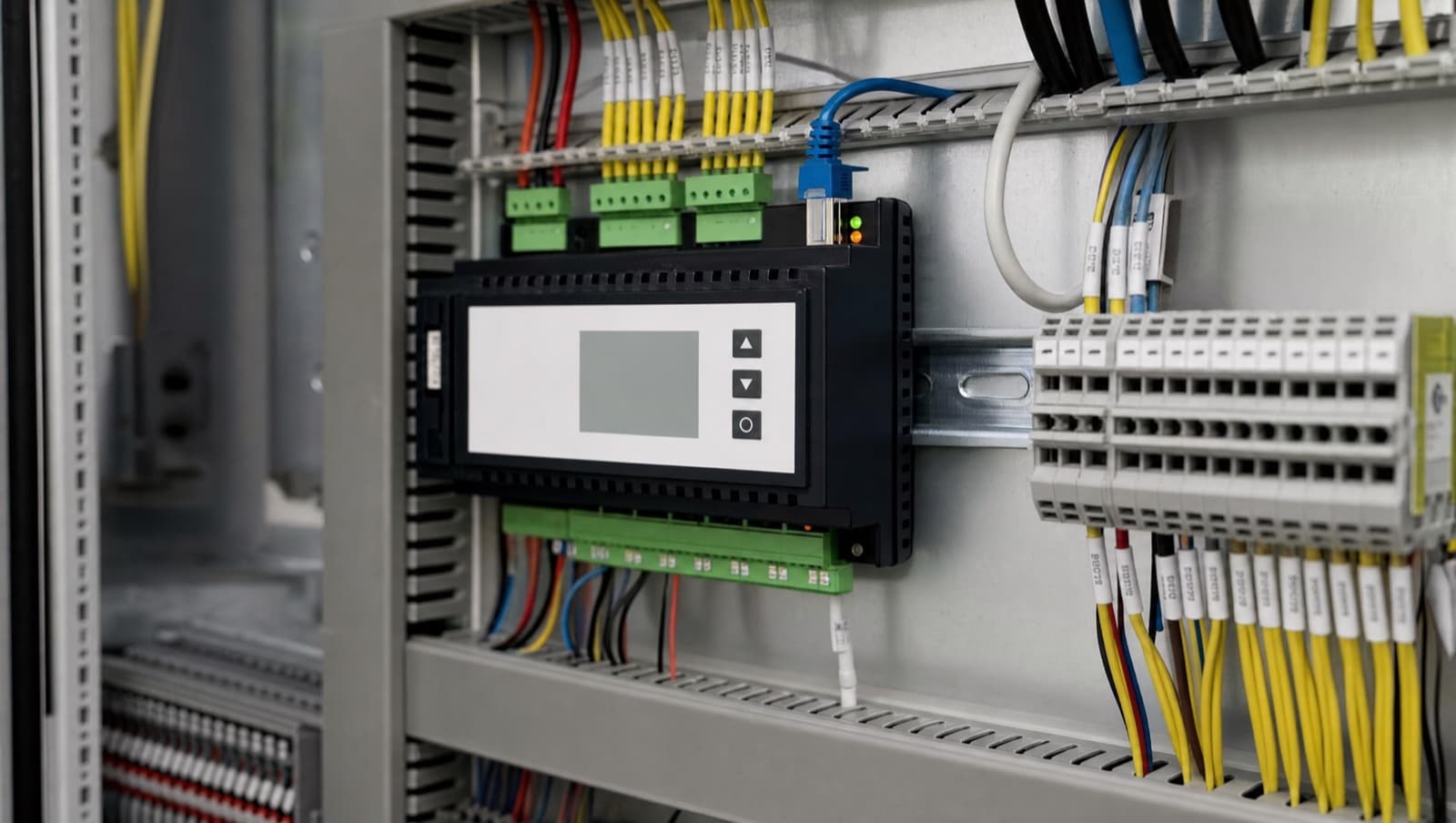
Above the sensing layer sits the monitoring panel — a dedicated controller that manages the sensor inputs, processes alarms, and communicates with the building management system. In a properly designed installation, this panel feeds into the BMS via Modbus, BACnet, or volt-free contacts, so that leak alarms appear on the same supervisor interface that the FM team uses for everything else. The alternative — a standalone panel with its own screen that nobody checks — is the single most common failure mode we encounter. If you want to understand how BMS integration works and why it matters for leak detection specifically, our post on leak detection and BMS integration covers the technical detail.
The final layer is automatic shut-off: motorised valves on the incoming water supply that close when a confirmed leak is detected, limiting the volume of water that can escape before someone physically attends. This is where design judgment matters most, because shutting off the water supply in a building that depends on it for cooling, fire suppression, or process use requires careful risk assessment.
Why does water damage cost so much in real buildings?
The commercial impact of water damage in buildings is routinely underestimated until it happens. Facilities managers inherit buildings where leak detection was either never specified or was installed as a compliance tick-box with no ongoing maintenance regime. M&E contractors hand over systems where the sensors are commissioned but the alarm routing was never tested end-to-end. Building owners discover — after a major escape of water event — that their insurance policy has exclusions, caps, and excess levels that leave them carrying most of the cost.
For landlords with multi-tenant commercial buildings, the risk profile is even sharper. A leak on one floor can cascade through risers and ceiling voids to affect three or four floors below. The disruption cost — lost rent, tenant relocation, business interruption claims — frequently exceeds the physical repair cost by a factor of two or three. And insurers are paying attention. Premium renewals for commercial properties with no active leak detection are increasingly punitive, while properties that can demonstrate compliant detection, monitoring, and shut-off capability are being offered measurable premium reductions.
Consultants specifying building services on new-build or refurbishment projects need to understand that leak detection is no longer a nice-to-have. Between BREEAM credit requirements, insurer loss prevention standards, and the sheer financial exposure of an undetected escape of water event, it belongs in the base specification alongside fire detection and access control. The cost of BMS installation in the UK increasingly includes leak detection integration as a line item — and rightly so.
Why does installed leak detection so often fail to work?
The most frequent problem Alpha Controls encounters is not the absence of leak detection — it is the presence of leak detection that does not work. Sensors installed during fit-out that have never been functionally tested. Cable systems where a section has been damaged during subsequent building works and nobody noticed because the panel was not being monitored. Point sensors placed on plinths that have been raised above the likely water level by a floor build-up change. Panels that alarm locally but are not connected to the BMS, so the only person who would see the alert is someone standing in the plant room at the time.
Automatic shut-off valves are another common failure point. We regularly find motorised isolation valves that have seized because they have not been exercised — the valve has sat in the open position for years, the actuator is stiff, and when it finally receives a close signal during a real event, it does not move. SFG20, the standard maintenance specification for building services, includes exercise routines for motorised valves, but these are frequently omitted from FM maintenance schedules because the valves are buried behind risers or in ceiling voids where access is difficult.
The alarm routing problem is perhaps the most damaging. A leak detection system that triggers an alarm on a standalone panel in a basement plant room at 2am on a Saturday is functionally useless. Unless that alarm is routed through the BMS to an alarm management platform with SMS, email, and escalation protocols, nobody is going to see it until Monday morning — by which time the damage is done. Our post on common leak detection installation mistakes documents the specific patterns we see most often.
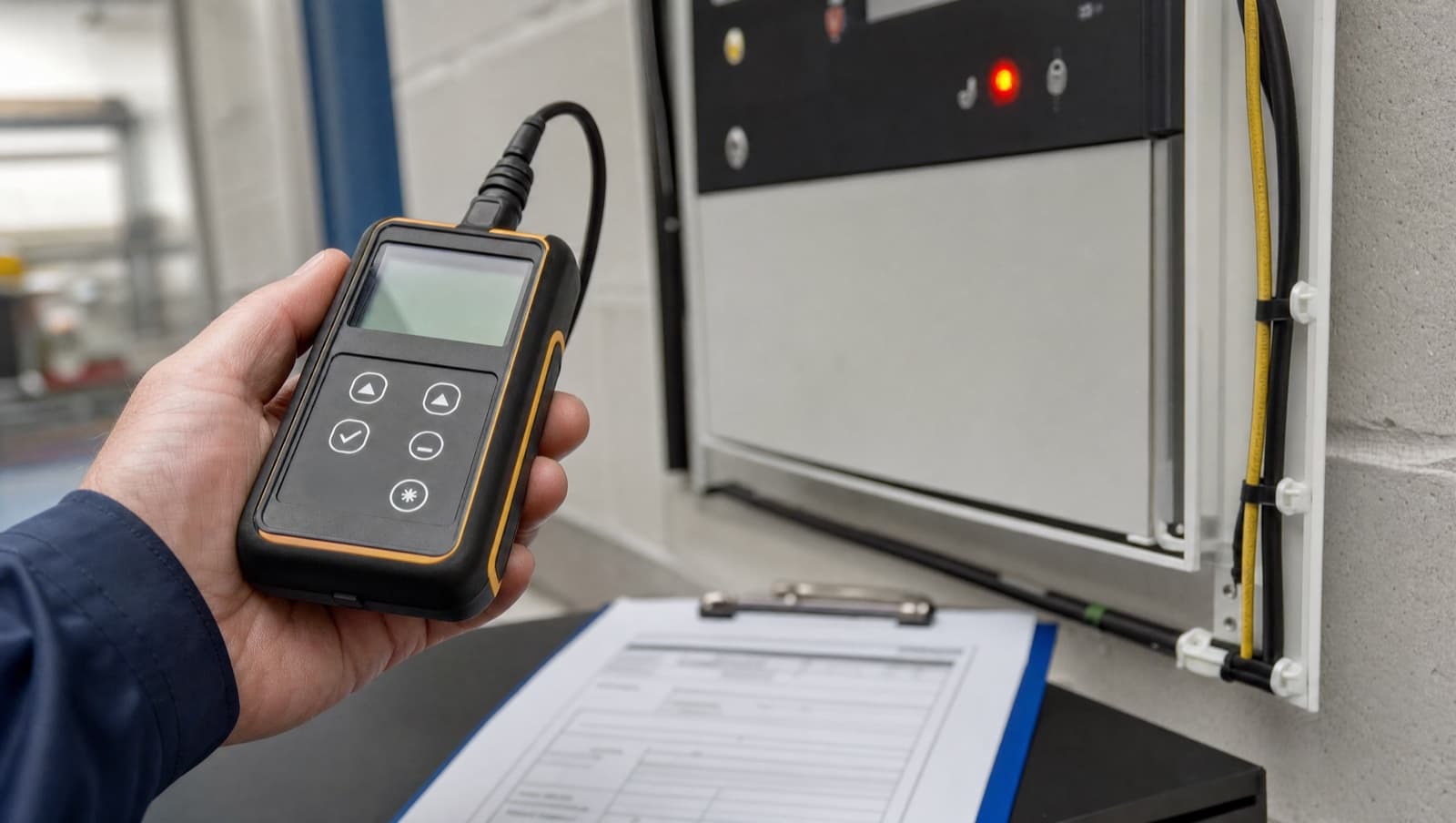
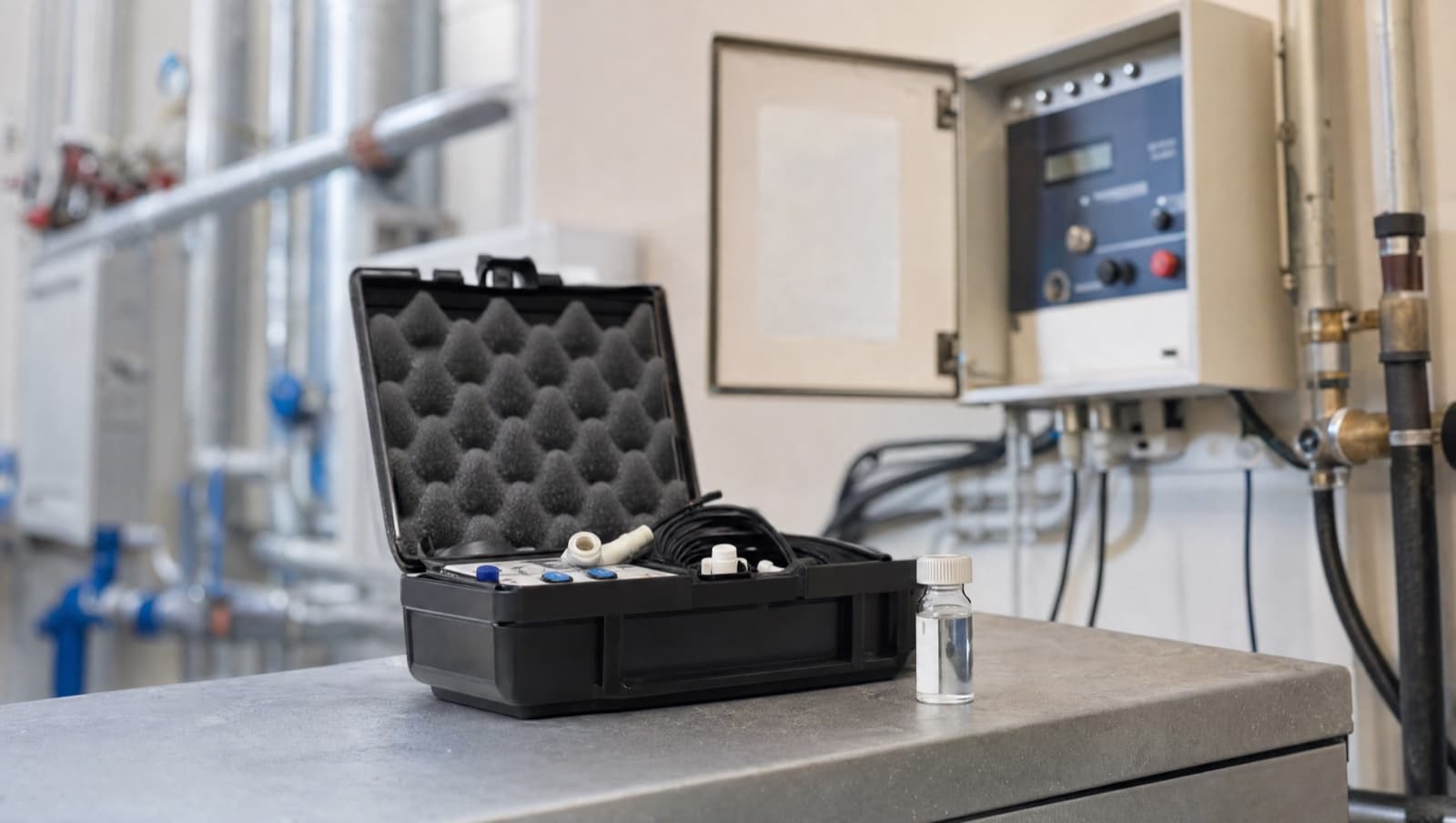
Testing is the final gap. BS 8558 and FM Global both require periodic functional testing of leak detection systems — not just visual inspection, but actual water-on-sensor testing to confirm the detection, alarm, and shut-off chain works end to end. In the majority of buildings we survey, this has never been done after initial commissioning. If you have a leak detection system and you cannot produce a test certificate from the last twelve months, you have a system that may or may not work, and your insurer may or may not honour a claim against it.
Get a Free BMS Survey
We'll assess your controls and provide a detailed quotation.
Which UK standards and regulations apply to leak detection?
There is no single "leak detection regulation" in the UK. Instead, the requirements are spread across multiple British Standards, European standards, building regulations, insurance loss prevention standards, and sustainability assessment frameworks. Here is every relevant one, with the specific requirements that matter.
BS 8558:2015 — Guide to the Design, Installation, Testing and Maintenance of Services Supplying Water for Domestic Use Within Buildings and Their Curtilages. This is the primary British Standard for water services in buildings. Section 12 covers leak detection and water loss management explicitly, requiring that designers consider the risk of water escape and specify appropriate detection measures for high-risk areas including plant rooms, risers, and ceiling voids. BS 8558 is directly referenced by Aviva's Loss Prevention Standards as the baseline design standard for water services, and insurers increasingly expect compliance as a condition of cover. It also requires that leak detection systems are included in the building's planned preventive maintenance schedule and tested at intervals not exceeding twelve months.
BS EN 806 Parts 1-5 — Specifications for Installations Inside Buildings Conveying Water for Human Consumption. This is the European standard that underpins BS 8558 and provides the technical framework for water supply installations. Part 5 (BS EN 806-5:2012) specifically addresses operation and maintenance, requiring that pipework systems are monitored for leakage and that detection measures are proportionate to the risk presented by the installation. For commercial buildings with complex distribution networks — multiple risers, extensive horizontal distribution, and numerous terminal connections — Part 5 effectively mandates some form of active leak monitoring.
BREEAM WAT 02 and WAT 03 — Water Monitoring and Leak Detection Credits. BREEAM, the Building Research Establishment's Environmental Assessment Method, awards credits under WAT 02 for water monitoring (sub-metering of water consumption by end use) and under WAT 03 for leak detection systems. WAT 03 specifically requires an active leak detection system that monitors the mains water supply and provides an alert when flow patterns indicate a potential leak. To achieve the WAT 03 credit, the system must include flow monitoring on the incoming supply, comparison against expected consumption profiles, and an alarm output. A simple point sensor in the plant room is not sufficient — the credit requires flow-based anomaly detection. For projects targeting BREEAM Excellent or Outstanding, WAT 02 and WAT 03 credits are typically essential to reach the required score threshold. Our detailed post on BREEAM leak detection and WAT 02/WAT 03 breaks down exactly what assessors are looking for.
EN 50600-2-3 — Data Centre Facilities and Infrastructures: Environmental Control. This European standard for data centre design and operation explicitly requires water leak detection as part of the environmental monitoring infrastructure. Section 6.3 mandates that leak detection systems be installed along all water-bearing pipe routes within the data centre, with alarm outputs integrated into the facility monitoring system. For Tier III and Tier IV facilities, EN 50600 requires redundancy in the detection infrastructure — dual-path alarm communication and battery backup on detection panels. We cover the data centre angle in depth in our companion post on leak detection for data centres.
Approved Document G — Sanitation, Hot Water Safety and Water Efficiency. Part G of the Building Regulations for England covers water efficiency requirements for new buildings and sets a maximum consumption standard of 125 litres per person per day for new dwellings, with a tighter 110 litres per person per day target available under the optional requirement G2. While Approved Document G does not explicitly mandate leak detection, it establishes the water efficiency framework within which leak detection sits — a building cannot demonstrate water efficiency if its distribution network is losing water through undetected leaks. For commercial buildings, the water efficiency requirements in Part G create a practical expectation that water consumption is metered and monitored, which in turn supports the business case for leak detection.
FM Global Standard 7745 — Liquid Leak Detection. FM Global, one of the world's largest commercial property insurers, publishes Loss Prevention Data Sheet 17-12 covering liquid leak detection requirements. FM Global's standard requires detection systems to be installed in all areas where liquid leaks could cause damage to property or business interruption, with specific emphasis on under-floor spaces, pipe runs, valve assemblies, and equipment drip trays. Critically, FM Global operates an FM Approved certification programme for leak detection equipment, which means that systems used in FM-insured properties should carry FM Approved certification to ensure claim validity. TTK's sensing cable systems, for example, carry FM Approved certification — which is a genuine differentiator when selecting equipment for insurance-sensitive installations. The FM Global website publishes the data sheets, and it is worth having the FM team confirm which standard their insurer references.
LPCB — Loss Prevention Certification Board Standards. LPCB, operated by BRE (the Building Research Establishment), provides third-party certification for fire and security products — and increasingly for water damage prevention products. LPCB-listed leak detection products have been independently tested against defined performance criteria, and specifying LPCB-listed equipment provides a clear audit trail for insurers. The LPCB Red Book is the searchable database of certified products and installers.
How much does escape of water cost, and does detection cut premiums?
The insurance data on escape of water is stark and getting worse every year.
According to the Association of British Insurers (ABI), escape of water accounts for 28.63% of all UK property insurance claims — making it the single largest cause of property damage claims in the country, ahead of fire, theft, and storm damage. The average repair cost per escape of water claim reached £12,791 in 2024, up from £8,663 in 2021 — a 47% increase in three years. Total UK escape of water claims reached £987 million in 2022, representing a 15% year-on-year increase. That equates to approximately £1.8 million per day paid out by UK insurers for water damage alone.
For commercial properties, the numbers scale dramatically. Commercial excess levels for escape of water claims can reach £150,000 per incident — meaning the building owner carries the first £150,000 of cost before insurance kicks in. "Trace and access" cover — the cost of locating the source of the leak, which typically involves opening up walls, ceilings, and floor voids — is usually capped at around £5,000 within a standard commercial policy. And critically, the cost of repairing the pipe itself is almost never covered by insurance. The policy covers consequential damage — the water damage to the building fabric, contents, and third-party property — but the failed pipe, valve, or fitting that caused the leak is considered a maintenance item and excluded from cover.
This creates a perverse situation where a building owner with no leak detection can suffer a major escape of water event, face a £150,000 excess, receive a claim payment that covers some of the consequential damage but none of the plumbing repair, and then receive a premium increase at renewal that reflects the claim history. A properly specified leak detection system with automatic shut-off — which might cost £15,000 to £40,000 depending on the building — would have either prevented the event entirely or limited the damage to a fraction of the claim value.
The major commercial insurers have recognised this and are actively adjusting their underwriting to reflect it. Aviva's Loss Prevention Standards now explicitly require water flow detection systems on commercial properties in their portfolio, and specify that installation and maintenance should be carried out by contractors who are members of CIPHE (Chartered Institute of Plumbing and Heating Engineering) or CIBSE (Chartered Institution of Building Services Engineers). Zurich Insurance has published guidance advocating a three-tier approach: leak detection at point-of-risk locations, automatic shut-off on the incoming water supply, and AI-based anomaly detection that learns the building's normal water consumption patterns and alerts on deviation. This is the direction the insurance market is heading — and properties that can demonstrate compliance with these emerging expectations are being offered premium discounts at renewal.
The commercial case is straightforward. If a leak detection and shut-off system costs £25,000 to install and saves £5,000 per year in premium reductions while eliminating the risk of a six-figure uninsured loss, the payback period is measured in years, not decades.
What does leak detection look like in practice on a real building?
Alpha Controls was brought onto a multi-tenanted commercial office building in the City of London where the landlord had received a renewal notice from their insurer with a 35% premium increase following two escape of water claims in consecutive years. The first claim — a burst LTHW pipe in a ceiling void on the fourth floor — had gone undetected for approximately six hours overnight, causing water damage to three floors below and resulting in a claim of £340,000. The second — a failed isolation valve on a domestic hot water calorifier in the basement plant room — was discovered by a security guard during a routine patrol, but not before the plant room had taken on several inches of standing water.
Neither event would have been prevented by the point sensors that were installed in the plant room. The sensors were there — four of them, on the floor at the base of the calorifiers — but they were connected to a standalone panel that was not linked to the BMS, had no remote alarm capability, and had not been functionally tested since the building was handed over three years earlier. When we bench-tested the sensors, two of the four did not trigger. The panel itself was powered but showing a communication fault that had been active for at least nine months.
We designed and installed a comprehensive leak detection system across the building, incorporating addressable sensing cable along all LTHW and CHW pipe runs in ceiling voids and risers, point sensors beneath every FCU drip tray and at every valve assembly in the plant room, flow monitoring on the incoming water mains with anomaly detection against a baselined consumption profile, and automatic shut-off via a motorised valve on the incoming cold water supply with a manual override. The entire system was integrated into the existing Trend BMS via Modbus, with alarm escalation configured to send SMS and email alerts to the FM team and building manager within 30 seconds of a confirmed detection event.
At the next insurance renewal, the landlord was able to present the insurer with a full system specification, test certificates, and a maintenance schedule aligned with BS 8558 requirements. The premium increase was reversed and replaced with a 12% reduction against the pre-claim baseline — representing an annual saving that covered a significant portion of the installation cost.
What does a properly specified leak detection system look like?
A properly specified leak detection installation in a commercial building has several characteristics that distinguish it from the tick-box approach that fails.
First, it is designed around a risk assessment. Not every square metre of the building needs sensing cable — but every high-risk location does. That means plant rooms, risers, ceiling voids with pipe runs, areas above critical infrastructure (server rooms, switchgear, archives), FCU drip trays, water heater and calorifier locations, and any area where pipework passes through fire compartment boundaries. The risk assessment drives the sensor layout, and the sensor layout drives the detection system specification.
Second, it is integrated into the BMS. Leak detection alarms that only appear on a standalone panel in the plant room are not alarms — they are data points that nobody will see. Integration into the BMS via Modbus, BACnet, or volt-free contacts means that leak alarms appear on the same supervisor interface, with the same escalation protocols, as every other critical building alarm. Our post on leak detection in plant rooms covers the specific integration patterns for the highest-risk area in most buildings.
Third, automatic shut-off is specified where appropriate. The decision to include automatic shut-off depends on the building's water dependency — a standard commercial office can typically tolerate an automatic shut-off on the cold water incoming because the consequences of a temporary water outage are minor compared to the consequences of an uncontrolled leak. A hospital, a data centre with water-cooled systems, or a building with a wet fire suppression system requires a more nuanced approach, potentially with zone isolation rather than full shut-off.
Fourth, there is a maintenance and testing regime from day one. Sensors are tested with water (not just visually inspected), shut-off valves are exercised quarterly to prevent seizure, alarm routing is tested end-to-end including SMS and email delivery, and the entire system is covered by a maintenance contract with a competent contractor. Our post on leak detection maintenance and testing sets out the schedule and what it should include.
When should a building owner act on leak detection?
If your building has no leak detection at all, your insurance renewal is the clearest trigger point. Insurers are tightening their requirements, and the cost differential between a building with compliant leak detection and one without is widening every year. If you have had a claim — even a small one — the commercial argument is already made.
If your building has leak detection that was installed years ago and has never been tested, that is arguably a worse position than having nothing, because it creates a false sense of security. A system that has not been functionally tested cannot be relied upon, and an insurer presented with evidence that a detection system was installed but not maintained may take a harder line on a claim than if there was no system at all.
If you are specifying a new building or a major refurbishment and leak detection is not in the base specification, add it now. The cost of retrofitting leak detection into a completed building — opening up ceiling voids, running cable, accessing risers — is significantly higher than including it in the original M&E package. And if the project is targeting BREEAM credits under WAT 02 and WAT 03, you will need it regardless.
For a broader understanding of how leak detection fits into a building management strategy, our post on what a building management system is and the post on BMS retrofit costs in the UK provide useful context on the wider control and monitoring picture.
Where does this leave UK building owners?
Leak detection in UK commercial buildings sits at the intersection of building standards, insurance requirements, and practical building management — and the regulatory landscape is fragmented enough that most building owners and FM teams do not have the full picture. BS 8558, BS EN 806, BREEAM WAT 02/WAT 03, EN 50600, Approved Document G, FM Global, and LPCB all touch different aspects of the same problem, and the insurance industry is increasingly using compliance with these standards as the basis for underwriting decisions.
Alpha Controls designs and installs leak detection systems that satisfy all of these requirements — sensing, monitoring, BMS integration, automatic shut-off, and ongoing maintenance — as a single-contractor package. If your building needs leak detection, or if you have a system that has not been tested or maintained, get in touch or request a quote and we will tell you exactly where you stand.
Frequently asked questions
What UK standards apply to commercial leak detection?
The main standards are BS 8558:2015 (design, installation, testing and maintenance of water services), BS EN 806 Parts 1-5 (water supply installations inside buildings), BREEAM WAT 02 and WAT 03 (water monitoring and leak detection credits), EN 50600 (data centre environmental monitoring), Approved Document G (water efficiency), FM Global Standard 7745 (liquid leak detection), and LPCB certification for detection equipment. There is no single overarching regulation — the requirements are spread across all of these.
Does leak detection reduce insurance premiums?
Yes, in most cases. Major commercial insurers including Aviva and Zurich actively incentivise leak detection and automatic shut-off systems. Premium reductions vary by insurer and risk profile, but buildings that can demonstrate compliant detection, monitoring, and shut-off capability are being offered measurable reductions at renewal. Given that escape of water accounts for 28.63% of all UK property insurance claims, insurers have a strong financial incentive to reward proactive water risk management.
How much does escape of water cost UK insurers?
Total UK escape of water claims reached £987 million in 2022, equating to approximately £1.8 million per day. The average repair cost per claim reached £12,791 in 2024, up 47% from £8,663 in 2021. For commercial properties, excess levels can reach £150,000 per claim, and trace-and-access cover is typically capped at around £5,000.
What is the difference between point sensors and addressable cable?
Point sensors are discrete units placed at specific risk locations — they detect water at their installed position and trigger an alarm. Addressable cable (sensing rope) runs along pipe routes and can pinpoint the location of a leak to within one metre along the entire cable length. Cable systems are preferred for plant rooms, risers, and data centres where knowing the exact leak location is critical for rapid response. Point sensors are appropriate for FCU drip trays, valve assemblies, and other discrete risk points.
Is automatic shut-off always recommended?
Not always. Automatic shut-off is appropriate for most commercial offices because the consequences of a temporary water outage are minor compared to an uncontrolled leak. However, buildings with water-cooled systems, wet fire suppression, or critical process water requirements need a more nuanced approach — potentially zone isolation rather than full building shut-off, with manual override capability. The decision should be based on a risk assessment that weighs water damage risk against the operational impact of a supply interruption.
Alpha Controls installs and commissions trace heating and leak detection systems across London, Kent and the South East.
Alpha Controls
Specialist BMS installation, commissioning, and maintenance across London and the South East. SafeContractor Approved, BCIA Member.